Understanding Moving and Storage Needs in San Francisco



Commercial Moving
Residential Moving
Get Your Free Estimate
"*" indicates required fields






A 10x10 storage unit in San Francisco averages about $442 per month. The same size in Hayward averages about $169. Smaller 5x5 units average about $143 in the city. Climate control pays off for wood, art, documents, and electronics, since the city stays damp most of the year.
Space is the most expensive thing in a San Francisco home. Many apartments have no garage, a single closet, and no basement access. That makes storage options in San Francisco a real part of almost every move, renovation, or downsizing plan. The choice is not only about price. Unit size, access hours, humidity, and distance from home all matter. A local team such as Neostart sees these tradeoffs on moves across the city every week. The right setup depends on what needs storing and for how long. Start by listing every item that will leave the home. Then match that list to a size and a budget.
How Much Do Storage Options in San Francisco Cost?
Prices in the city are high, and they keep climbing. StorageCafe data from August 2026 puts the street rate for a standard 10×10 unit at $307 per month. That figure rose 5.5% compared with the prior year. SpareFoot booking data shows even higher averages for units actually rented over 180 days. The gap between the city and the East Bay is striking.
| Unit size | Typically holds | San Francisco average | Hayward average |
|---|---|---|---|
| 5×5 | Boxes, seasonal gear, a small chair | $142.95/mo | $91.28/mo |
| 5×10 | Studio contents or a few large pieces | $181.92/mo | $91.98/mo |
| 10×10 | One-bedroom to small two-bedroom home | $442.47/mo | $168.76/mo |
| Source: SpareFoot booking averages for San Francisco (past 180 days) and Hayward (August 1, 2026). | |||
A 10×10 unit in Hayward costs about 62% less than the same unit in the city. Over six months, that difference adds up to more than $1,600. Renting storage in Hayward CA makes the most sense for items that do not need weekly access. Promotional first-month rates are common, so always compare the regular monthly rate too. A $1 first month means little if the price jumps in month two. Most renters exploring storage options in San Francisco end up choosing between a 5×5 and a 10×10.
Which Types of Storage Are Available?
Self-storage is the most familiar option, but it is not the only one. Each type fits a different situation. The main choices include:
- standard self-storage units with drive-up or interior access
- climate-controlled units that limit heat and humidity swings
- full-service storage that picks up and returns items by appointment
- portable containers delivered to the curb, where permits allow
- mover storage that holds a full load between two homes
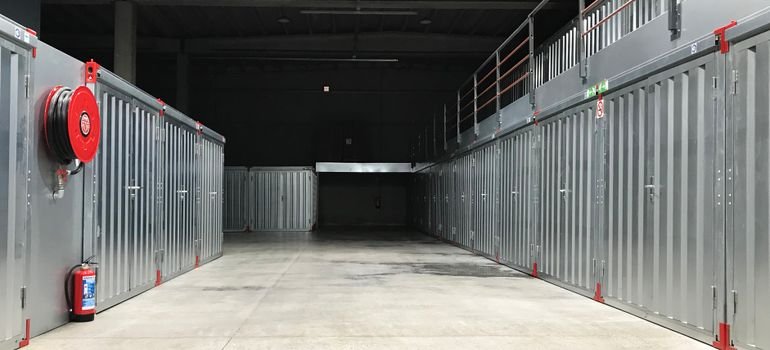
Portable containers sound easy, yet San Francisco streets make them tricky. A container on the street needs an SFMTA permit, and many blocks have no room. Interior units with elevators suit apartment dwellers best. Mover storage works well during a gap between leases. Crews of Bay Area local movers can load once and store the shipment. They then deliver it when the new home is ready. Full-service storage suits households without a car, which is common in the city. Pickup fees vary, so ask whether delivery is included in the monthly price. That approach avoids paying twice for loading and unloading.
Deciding What to Store and What to Keep
Storage costs money every month, so every item should earn its spot. A simple test helps. Store items that will be used again within two years but not within the next month. Seasonal gear, holiday decorations, and spare bedding fit that rule well. Furniture also qualifies during a renovation or a short gap between homes. Documents need a closer look. Keep passports, birth certificates, and tax records at home or in a safe deposit box. A storage unit is not the place for papers that cannot be replaced.
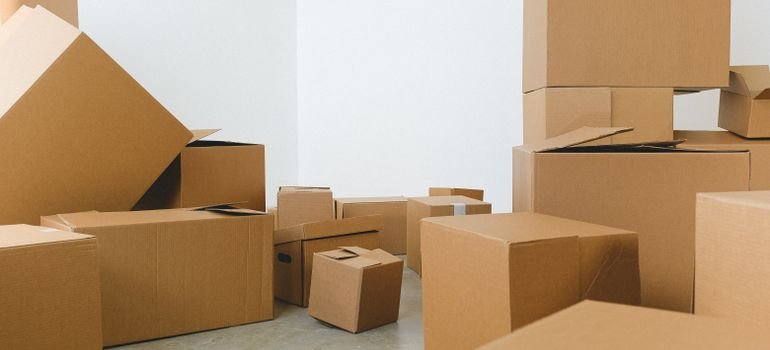
Some items rarely justify the cost. Cheap furniture often costs less to replace than to store for a year. A $150 bookshelf stored for 12 months can cost more than ten times its value. Sell, donate, or recycle those pieces before the move. Valuable furniture is a different story. Solid wood tables, designer chairs, and heirloom dressers deserve proper wrapping and careful handling. The trained furniture movers Bay Area team takes apart beds and tables so they stack flat in the unit. That step can drop a full size from a 10×10 to a 10×5. Smaller units also mean less space to heat, cool, and insure.
Does San Francisco’s Climate Call for Climate Control?
San Francisco rarely gets hot or freezing, but it stays damp. Fog and winter rain keep moisture high for much of the year. That matters more than temperature for most stored items. Wood can swell, paper can curl, and fabric can develop mildew in a sealed space. Ground-floor units near loading doors also see more outside air. Interior units on upper floors tend to stay more stable.
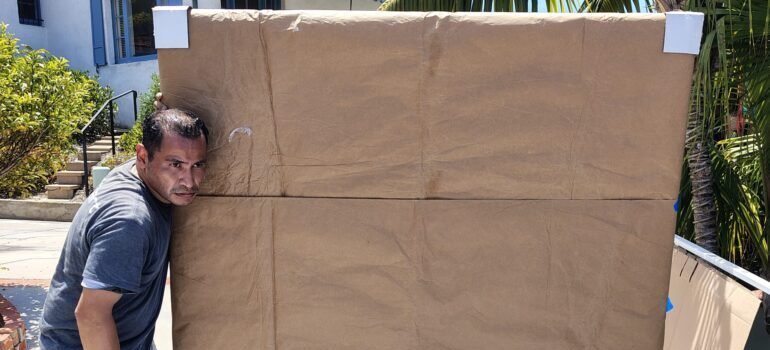
Climate-controlled units cost more. StorageCafe lists climate-controlled 10×10 units in the city between $314 and $412 per month. Smaller 5×5 units run from $110 to $127. Climate control is worth it for wood, leather, documents, photos, and electronics. It matters most for paintings and framed prints. Owners of valuable pieces often hire fine arts movers Bay Area specialists to crate or wrap each work. Store art upright, never flat, and keep it off the floor on pallets. Avoid plastic wrap on canvas, since it traps moisture against the surface. Acid-free paper and corner guards protect frames without sealing in humidity. Check stored art every few months for signs of moisture or warping.
Packing a Unit So It Stays Organized
A well-packed unit saves time on every visit. Use boxes of only two or three sizes, so stacks stay stable. Put heavy boxes on the bottom and light ones on top. Label each box on two sides with the room and contents. Keep an inventory list with photos, stored on a phone and in the cloud.
Layout matters as much as packing. Leave a center aisle about two feet wide. Place items needed most often near the door. Large furniture goes along the back wall, standing on end where possible. Cover upholstered pieces with breathable cotton sheets instead of plastic. Never store food, plants, paint, or fuel in a storage unit. Those items attract pests or create fire risks, and most rental agreements ban them. Households short on time can book packing services Bay Area crews for the full job. Professional packers use uniform boxes, which makes the unit easier to stack and search. Mattresses need a sealed bag and should lie flat on a clean surface. A printed map of the unit, taped inside the door, saves time on every visit.
What Should Renters Know Before Signing a Storage Agreement?
Storage contracts carry rules that surprise many renters. Most units rent month to month, but late fees can start within days. Facilities may also deny gate access once a payment is overdue. California sets the ground rules through the California Self-Service Storage Facility Act. That law explains when a facility can place a lien and sell stored property after unpaid rent.
Read the rental agreement before moving anything in. Check the late fee, the notice period for rate increases, and the gate hours. Insurance is a separate question, so confirm what the policy actually covers. Many homeowners and renters policies cover stored items only up to a limit. Set up autopay to avoid missed payments during a busy move. Keep the gate code and the unit key in two separate places. Ask whether the price is locked for a set period. Many facilities raise rates after the first few months. Comparing storage options in San Francisco by total cost over the full stay gives a truer picture.
Timing Storage Around a Move
Storage often works best as a bridge between two homes. A lease may end on the 30th while a new one starts on the 15th. A home sale may close a week before the next purchase. In both cases, storage removes the pressure to line up perfect dates.

Plan the storage pickup and delivery when booking the move itself. Two separate trips cost more than one planned route. Many moving companies San Francisco residents hire can split one load. Most items go to the new home, and the rest go to the unit. That single trip saves hours of labor. Book the unit at least a week ahead, since the most popular sizes sell out first. Confirm the facility’s gate hours match the moving schedule, especially on weekends. Keep items needed within a few weeks in a unit close to the new home. Long-term items can go farther out at a lower monthly price.
Find the Right Storage Fit With Neostart
The best storage options in San Francisco balance cost, access, and protection. City units suit items needed often, while East Bay units cut the monthly bill sharply. Climate control is worth paying for when wood, art, or paper is involved. Neostart helps households plan moves that include storage, from packing to final delivery. Families working with Bay Area residential movers can fold storage into one schedule and one estimate. One plan covers the packing, the truck, and the unit, so nothing falls between two companies. Call Neostart or request a quote today to plan a move with storage built in.
Frequently Asked Questions
How much is a storage unit in San Francisco?
A 5x5 unit in San Francisco averages about $143 per month, based on SpareFoot booking data. A 10x10 averages about $442. Street rates from StorageCafe show a 10x10 at about $307 per month in August 2026.
Is climate-controlled storage necessary in San Francisco?
Climate control is worth it for wood furniture, art, documents, photos, and electronics. The city's fog and winter rain keep humidity high. Boxes of clothing and household goods usually do fine in a standard unit.
What size storage unit fits a one-bedroom apartment?
A 10x10 unit usually holds the contents of a one-bedroom apartment. Taking apart beds and tables can allow a smaller 10x5 unit. A studio often fits in a 5x10.
Can movers store belongings between two homes?
Yes, many movers offer storage for a gap between homes. The crew loads once, holds the shipment, and delivers it when the new home is ready. This avoids paying twice for loading and unloading.
Why is storage cheaper in the East Bay?
Land and rents cost less in the East Bay than in San Francisco. A 10x10 unit in Hayward averages about $169 per month, compared with about $442 in the city. The tradeoff is a longer drive for each visit.
Joy Patzner


David and his crew were wonderful. Very nice and VERY fast!!!

locations we serve
Alameda County

San Francisco County
Contra Costa County
San Mateo County