Guide to Hiring Local Movers for the Holidays



Commercial Moving
Residential Moving
Get Your Free Estimate
"*" indicates required fields






A holiday move usually costs less than a summer move, often up to 30% less. Demand simply falls in December. The calmest windows are the first three weeks of December and most of January. San Francisco street parking permits need at least 5 business days. A filing within 14 days adds a $140 late fee.
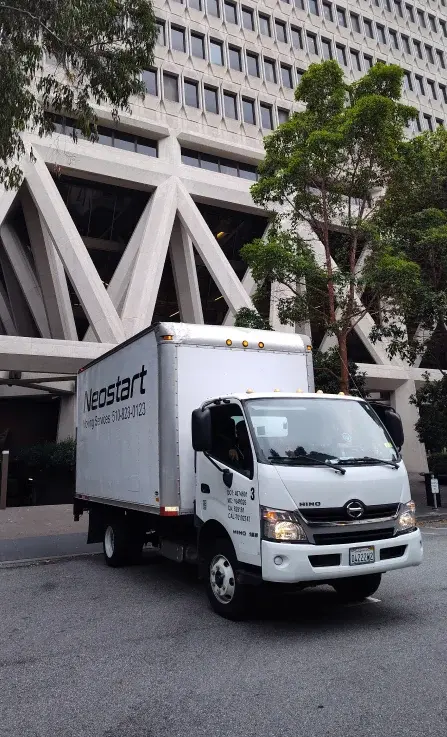
Moving during the holidays sounds hectic, yet it often works better than a summer move. Demand drops after Thanksgiving, so crews and dates open up across the Bay Area. Families also gain time off work, and school breaks last close to two weeks. The real challenge is the calendar. Building rules, parking permits, rain, and family gatherings all compete for the same few days. A reliable crew such as Neostart can absorb part of that pressure, but the plan still starts at home. Choose a target week early, protect it, and let every other decision follow from it.
Is Moving During the Holidays Cheaper in the Bay Area?
Moving prices follow demand, and demand falls once fall arrives. National booking data from HireAHelper shows winter moves can cost up to 30% less than peak summer moves. A local move quoted at $2,500 in July might land between $1,800 and $2,200 in winter. The savings are not automatic, though. Dates around Christmas Eve and New Year’s Eve still fill quickly. Short-distance jobs run by Bay Area local movers fit best into the quieter weeks. Start times are also more flexible then. Ask for quotes on two or three different dates. The gap between a Tuesday in early December and a Saturday near Christmas can be large. Flexible households save the most when moving during the holidays.
| Holiday window (2026–2027) | Typical demand | Suggested booking lead time | Watch out for |
|---|---|---|---|
| Thanksgiving week (Nov 23–29) | Busy early in the week, quiet Thursday and Friday | 3–4 weeks | Building staff off on Nov 26–27 |
| Dec 1–18 | Low | 2–3 weeks | December rain averages 4.78 inches in San Francisco |
| Dec 19–Jan 3 | Mixed, with spikes near Dec 31 | 3–4 weeks | Office closures and HOA quiet periods |
| Jan 4–31 | Among the lowest of the year | 1–2 weeks | January rain averages 4.40 inches |
The table shows a simple pattern. The first half of December and most of January offer the widest choice of dates. The week between Christmas and New Year’s Day works too, but only with early booking.
How Far Ahead Should Holiday Movers Be Booked?
Three to four weeks of notice is a safe target for any date near Christmas or New Year’s Eve. Quieter dates in early December can often be booked two weeks out. Once the date is set, reserve the elevator and loading dock right away. Many buildings block move-ins on public holidays or limit them to weekday hours. Moving during the holidays in a high-rise adds one more step. Some managers freeze move-ins for the last two weeks of December, so check the building calendar first.

Street parking in San Francisco needs its own timeline. The SFMTA requires at least 5 business days between the application and the move date. Signs must go up 72 hours ahead on unmetered blocks and 24 hours ahead at meters. Since July 1, 2026, a request for one to four signs costs $355. Metered spaces add $21 per meter per day. Filing less than 14 days out adds a $140 late fee. When comparing moving companies San Francisco residents trust, ask who handles the permit and the signs. A missing permit can turn a two-hour load into a full-day problem.
Packing Around Decorations, Guests, and Gifts
Holiday clutter adds a layer that summer moves never face. Decorations, gifts, and extra guests all take space during the final week. A simple order helps. Pack seasonal decor first if the celebration will happen in the new home. Pack it last if the old home hosts the final gathering. Wrap glass ornaments in tissue and place them in divided boxes. Mark every box with the room name and the word holiday so it lands in the right spot.

Gifts deserve special care. Keep wrapped presents in one sealed box that rides in the car, not the truck. An open-first box saves the first evening, and it should hold:
- phone chargers, a power strip, and a flashlight
- bedding and towels for each person
- basic plates, cups, and a kettle
- medications, documents, and keys
- a small set of decorations for the new home
Households short on time can book packing services Bay Area crews for the fragile items alone. That option keeps costs lower than a full pack while protecting the pieces that break most often.
Planning a Year-End Office Move
Businesses often choose the last week of December for a relocation. Many staff members are away, so the office can close for two or three days with little disruption. Fiscal years also end on December 31 for many firms, which makes a clean start in January appealing. The catch is building access. Property managers, engineers, and security staff also take time off, and every approval takes longer.
Start the building paperwork at least six weeks ahead. Most commercial buildings ask for a certificate of insurance before any crew enters. IT equipment needs its own plan, including labelled cables and a tested network on the first morning. Schedule the server and internet cutover for a weekday, when the provider’s support line is fully staffed. Experienced Bay Area commercial movers usually stage furniture by floor plan. Desks then land in the right place the first time. Ask for a written timeline that lists each floor, each elevator window, and each task. A clear plan helps staff return after New Year’s Day to working desks and live phones. One missed elevator booking can delay the whole schedule by a day.
Staying Flexible When Weather or Closings Shift
Winter in the Bay Area brings real rain. NOAA normals for San Francisco list 4.78 inches in December and 4.40 inches in January. Those are the wettest months of the year, and storms can stall loading for hours. Ask the crew how rain affects the schedule and what protection they bring. Floor runners, mattress bags, and plastic wrap for upholstery should be standard on wet days.
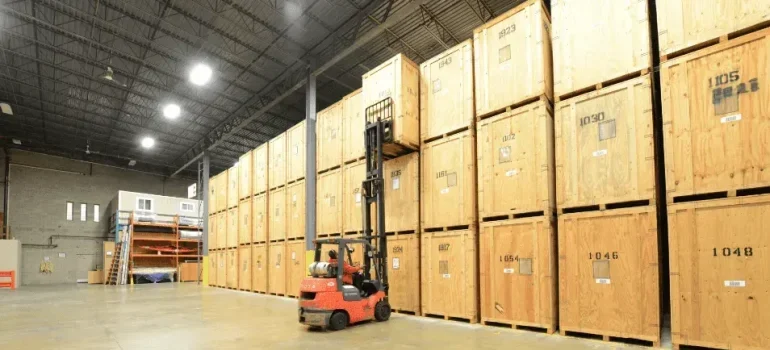
Real estate timelines also slip in December. Banks, title companies, and county offices close on federal holidays, so a closing can move by several days. A short gap between homes is common, and planning for it removes stress. A backup date in the moving agreement costs nothing and saves a frantic search later. Short-term units work well in this situation. Renting storage in Hayward CA keeps furniture safe for a week or a month while paperwork catches up. East Bay storage also tends to cost far less than units inside San Francisco. A one-month buffer is often cheaper than a rushed second move. Keep important papers, keys, and a few days of clothing out of storage. Those items should travel with the household, not sit in a locked unit.
How Can You Confirm a Mover Is Licensed in California?
Busy seasons attract unlicensed operators who offer cheap rates by phone. California has clear rules that make them easy to spot. The Bureau of Household Goods and Services has licensed household movers since July 1, 2018. Any household mover working within the state needs that license. Before signing anything, check the company with the Bureau of Household Goods and Services license search.
The rules also cover estimates. A mover may give a written estimate only after a visual inspection, in person or by video. Verbal estimates and online-only quotes are not legal. The written estimate must include a Not to Exceed price, which caps the final bill unless services change. Any added service requires a signed change order. Movers must also hand over the booklet called Important Information for Persons Moving Household Goods. A company that skips these steps is a company to skip. Also check the physical address and reviews from the past year. A real local mover has a yard or an office, not just a phone number. Paying a modest deposit by credit card adds another layer of protection.
Settling In Before the New Year
The first night shapes how the rest of the season feels. Unpack the kitchen and one bathroom first, then the beds. Set up utilities at least a week before the move, since service requests slow down near holidays. Confirm internet installation in writing, because technician slots fill fast in late December. Moving during the holidays also means planning for packages. Update the shipping address on every online store before gift orders go out.

Hosting soon after a move is possible with a little triage. Focus on one finished room instead of five half-unpacked ones. Guests notice a warm living room far more than a stack of boxes in a spare room. Many households hire Bay Area residential movers who also reassemble beds and tables on arrival. That single step can save an entire evening of work. Keep tools, hardware bags, and furniture legs together in one marked box. Tape screws to the furniture they belong to, so nothing goes missing. A quiet first dinner at the new table often becomes a favourite holiday memory.
Plan a Calm Holiday Move With Neostart
Moving during the holidays rewards early planning more than any other season. Lock in the date, file the parking permit, and check the license before paying a deposit. Keep a storage buffer and a backup date in mind for rain or a delayed closing. Neostart crews work from a Hayward base and serve households across the region. Residents searching for movers in Hayward CA or nearby cities can request a written estimate. Every estimate should include a Not to Exceed price. Call Neostart or request a quote today to secure a December or January date.
Frequently Asked Questions
Is it cheaper to move in December?
Yes, in most cases. December and January are slow months for movers. National data shows winter moves can cost up to 30% less than summer moves. Dates near Christmas Eve and New Year's Eve are the exception and still book quickly.
Do movers work on Christmas Eve and New Year's Eve?
Many movers work on both days, often with shorter hours. Christmas Day and New Year's Day are usually closed. Buildings may also block move-ins on those dates, so check building rules before booking.
Should a move happen before or after New Year's Day?
Early December or mid-January is usually easier than the last week of the year. Those weeks have lower demand and more open dates. The final week works well for office moves, since many employees are away.
What is the slowest month for movers?
January is typically one of the slowest months for residential moves. Leases and school schedules rarely change then, so crews have more open dates. That makes January a good month for flexible booking.
How far ahead should movers be booked for a holiday move?
Book three to four weeks ahead for dates near Christmas or New Year's Eve. Two weeks is often enough for early December or mid-January. In San Francisco, file the SFMTA sign request at least 14 days ahead. That timing avoids the $140 late fee.
Joy Patzner


David and his crew were wonderful. Very nice and VERY fast!!!

locations we serve
Alameda County

San Francisco County
Contra Costa County
San Mateo County