Moving from San Francisco to Walnut Creek: A Simple Guide



Commercial Moving
Residential Moving
Get Your Free Estimate
"*" indicates required fields






Moving from San Francisco to Walnut Creek requires planning around traffic, permits, climate differences, and property requirements. The 26-mile route through the Bay Bridge and Caldecott Tunnel affects timing, while SF moves may need SFMTA permits and Walnut Creek properties may require HOA approvals. With preparation for the route, schedule, and destination details, an SF-to-Walnut-Creek move can be completed with fewer delays.
Moving from San Francisco to Walnut Creek is one of the strongest family migration patterns in the Bay Area. SF families with growing kids trade city apartments for suburban homes with yards. Tech workers stay close enough for hybrid commuting. Retirees join Rossmoor and the other 55+ communities. The drive is about 30 miles, but the lifestyle change is much larger. Neostart handles SF-to-Walnut-Creek moves throughout the year. This guide covers what makes the route distinct from a same-city move.
Moving from San Francisco to Walnut Creek: The 26-Mile Drive in Real Numbers
The route from San Francisco to Walnut Creek crosses the Bay Bridge first. The path then passes through Oakland and heads east on Highway 24 through the Caldecott Tunnel. The total drive covers about 26 miles from downtown SF to downtown Walnut Creek. Off-peak drive time runs around 45 minutes. Peak commute hours can stretch the same trip to 90 minutes or more. The variance comes from two bottlenecks, the Bay Bridge and the Caldecott Tunnel, rather than from the distance itself.
The Caldecott Tunnel Bottleneck Changes the Schedule
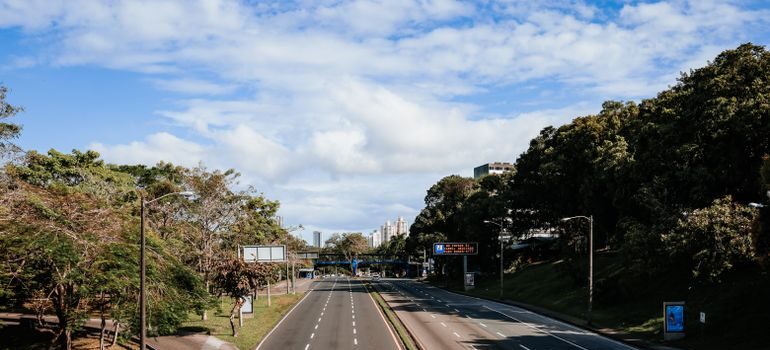
The Caldecott Tunnel connects Oakland with the Lamorinda communities and serves as one of the main routes for moves between the East Bay and areas such as Walnut Creek, Lafayette, Moraga, and Orinda. The tunnel system includes four bores, with the fourth bore opening in 2013 to improve traffic flow and increase capacity during busy commute periods. While the expansion helped reduce congestion, the tunnel still experiences predictable traffic slowdowns that can affect moving schedules.
For moving companies and anyone planning a DIY move, timing a trip through the Caldecott Tunnel can make a noticeable difference. Eastbound traffic often becomes heavily congested on weekday afternoons as commuters leave Oakland and head toward Walnut Creek and surrounding communities. Westbound traffic is busiest on weekday mornings when commuters travel toward Oakland and San Francisco, making it a less favorable time for moving trucks heading in that direction.
Weekend travel usually provides a much smoother experience. Saturday mornings, particularly between mid-morning and early afternoon, often have the lightest traffic of the week through the tunnel. This makes Saturday one of the best times for moving trucks transporting household goods, furniture, or commercial equipment across the East Bay. Planning a move around these lower-traffic periods can help reduce travel time, avoid unnecessary delays, and keep loading and unloading appointments on schedule.
SFMTA Permits Reserve Curb Space at the SF Origin
Many San Francisco neighborhoods require SFMTA temporary sign permits to reserve curb space for the moving truck. Russian Hill, the Marina, and Pacific Heights addresses almost always need a permit. Outer Sunset and Excelsior addresses sometimes work without one.
Moving companies in San Francisco handle the SFMTA permit application during move planning. The permit signs go up around 72 hours before the move so neighbors have time to clear the curb.
Walnut Creek Loading Reflects Suburban Layout
The Walnut Creek side of the move differs sharply from the SF side. Most Walnut Creek homes have driveways, garages, and street parking that can accommodate a moving truck without special permits. The crew often parks directly in front of the new property. Unloading happens through the garage or front door without the access struggles SF moves require.
Downtown Walnut Creek condos and apartments are the exception, where loading dock access and elevator reservations apply. Movers in Walnut Creek know which neighborhoods follow which pattern. The estimate accounts for which scenario applies at the new property.
HOA Communities Concentrate in Walnut Creek
Walnut Creek has an unusually high concentration of HOA-governed communities for a Bay Area city of its size. Rossmoor stands out as the largest 55+ community in the East Bay. Founded in 1964, Rossmoor has around 6,700 housing units and roughly 9,000 residents on its gated property.
Newer master-planned neighborhoods have their own CC&Rs covering moves, including approval timelines and Certificate of Insurance requirements. Saranap and several other Walnut Creek pockets follow similar approval processes. Reserved elevator times, approved move-day windows, and insurance documentation all apply at most HOA properties.
Climate Shift From Coast to Inland Matters on Move Day
San Francisco’s coastal climate averages 65 to 70 degrees in summer. Walnut Creek’s inland location regularly sees summer temperatures of 85 to 95 degrees, with several days a year above 100. The 20-to-30-degree difference matters more on move day than most households expect.
Summer moves to Walnut Creek benefit from morning loading and afternoon unloading rather than afternoon loading at the SF origin. Crews working through Walnut Creek’s afternoon heat take more frequent breaks for hydration and safety. Items sensitive to heat travel in air-conditioned vehicles when conditions justify the extra cost.
The temperature change also affects how certain household belongings should be packed and transported. Electronics, artwork, musical instruments, candles, houseplants, and some cleaning products can react poorly to prolonged heat exposure inside a moving truck. Professional movers often recommend keeping these items out of direct sunlight and minimizing the amount of time they remain in the vehicle. Scheduling an early start also gives movers more time to complete loading before temperatures peak, helping protect belongings while making the physical work safer and more comfortable for everyone involved.
School Districts and Specific Schools Drive Many Moves
Top-rated schools are one of the biggest drivers of SF families choosing Walnut Creek. Walnut Creek School District covers elementary and middle school for the city itself. Schools like Walnut Heights Elementary and Buena Vista Elementary consistently rank in the state’s upper percentiles. High school students attend either Acalanes Union High School District (Las Lomas High and Acalanes High) or Mt. Diablo Unified School District (Northgate High), depending on address.
Acalanes High School and Las Lomas High School both regularly rank in California’s top 10% of public high schools. SF families navigating the San Francisco Unified’s assignment lottery system often appreciate the change. Walnut Creek’s neighborhood-based school assignments offer predictability that SFUSD cannot match. Confirming the school assignment before signing a lease or purchase contract prevents surprises at enrollment.
California Education Resources Help Families Compare Schools
Families with school-age children moving to Walnut Creek benefit from researching the local school options early. The research should happen before signing a lease or purchase contract. The California Department of Education provides public information on every California school district, including test scores, demographics, and program offerings. The data helps families compare specific Walnut Creek schools against SF schools the children currently attend.
Cost of Living Adjustments Beyond Housing
Walnut Creek’s median home price runs $845,000 to $1.08 million, depending on the data source. That sits at roughly half of SF’s $1.4 to $1.7 million range. Median rent in Walnut Creek sits around $2,329 per month, well below SF’s $3,200-plus average for similar units. The savings often offset the longer commute time.
Median household income in Walnut Creek is $141,574, significantly above the national median of $83,181. Walnut Creek’s sales tax sits at 9.25%, which is higher than San Francisco’s 8.625% but lower than Oakland’s 10.75%. The cost-of-living difference between SF and Walnut Creek is most visible in housing and least visible in everyday goods.
Furniture Reassessment Happens Naturally on This Route
A move from San Francisco to Walnut Creek often involves furniture decisions during the planning phase. SF apartments use compact furniture that may look undersized in larger Walnut Creek rooms. Sectionals sized for a city studio might disappear in a suburban family room. Master bedrooms in Walnut Creek often accommodate king-size beds that crowd the SF bedroom.
Furniture movers Bay Area can flag during the estimate which pieces are worth bringing. Some items are better replaced at the destination. Some items are worth bringing for sentimental reasons. The fact that they may get replaced within the first year doesn’t change the decision to move them.
Why a Single Crew Handles Both Sides of the 26-Mile Drive
A 26-mile move stays within the standard residential moving service area but requires more truck time than a same-city move. Bay Area residential movers cover the full route as a continuous operation. One crew handles both the origin and destination. The crew loads in the morning at the San Francisco address. The truck drives mid-day through both the Bay Bridge and the Caldecott Tunnel. Unloading happens in the afternoon at the Walnut Creek property. Single-team continuity protects the move from the handoff problems that can occur between separate crews.
Using one crew from start to finish also creates a more organized moving experience. The movers who carefully wrap, label, and load each item are the same people who unload and place those belongings in the new home. This reduces confusion about room assignments, furniture placement, and special handling instructions. If any last-minute adjustments are needed during loading, the same team already understands the plan and can adapt without needing additional explanations. For households moving valuable furniture, antiques, or fragile items, this consistency helps improve efficiency while reducing unnecessary handling throughout the move.
BART Keeps the Walnut Creek Move Connected to SF
Walnut Creek has its own BART station with direct service to downtown San Francisco. The train ride from Walnut Creek to Embarcadero takes about 37 minutes during off-peak periods. The connection makes the city popular for professionals who continue commuting to San Francisco offices on a hybrid schedule. The BART option often becomes the deciding factor when San Francisco families consider relocating east.
For many households, moving to Walnut Creek provides more living space while maintaining convenient access to jobs, entertainment, and services in San Francisco. The reliable rail connection also reduces dependence on driving through peak Bay Area traffic every day, giving commuters greater flexibility throughout the week. Because of this balance between accessibility and suburban living, residential movers frequently assist clients in making this relocation. Many moves are scheduled around work commitments, allowing families to settle into their new home over a weekend while returning to San Francisco for work with minimal disruption during the following week.
When Closing Dates Don’t Match the SF Lease
A common pattern on this corridor involves the SF lease ending while the Walnut Creek purchase has not yet closed. The household belongings need somewhere to wait. Renovation work at the new Walnut Creek property sometimes extends the gap by additional weeks.
Storage in Hayward CA bridges these typical timing gaps for SF-to-Walnut-Creek moves. Hayward sits about 30 miles from Walnut Creek with easy truck access via Interstate 680. Climate-controlled options also work for any wood furniture or electronics waiting through hot Tri-Valley summers.

Plan the Move with the Lifestyle Shift in Mind
Moving from San Francisco to Walnut Creek involves much more than transporting boxes from one home to another. A successful relocation starts with planning for every stage of the process, from choosing the best travel time through the Bay Bridge and Caldecott Tunnel to understanding any HOA move-in requirements at the destination. Families may also need to account for Walnut Creek’s warmer inland climate, which can affect move-day scheduling during the summer, as well as school enrollment deadlines if children are changing districts. Addressing these details before moving day helps reduce unexpected delays and keeps the relocation organized. With the right preparation, the move itself becomes a manageable one-day event while making the transition into your new Walnut Creek home much easier.
Frequently Asked Questions
How long does it take to move from San Francisco to Walnut Creek?
The drive from San Francisco to Walnut Creek is about 26 miles and usually takes around 45 minutes during lighter traffic. During weekday commute periods, the same route can take 90 minutes or longer because of congestion at the Bay Bridge and Caldecott Tunnel. Most moving crews schedule the drive during mid-day hours to reduce delays.
Do I need a permit for a moving truck in San Francisco?
Many San Francisco neighborhoods require a temporary SFMTA parking permit to reserve curb space for a moving truck. Areas with limited street parking, including parts of Russian Hill, the Marina, and Pacific Heights, commonly require advance planning. Moving companies typically help arrange the permit before move day.
Is moving to Walnut Creek easier than moving within San Francisco?
The Walnut Creek side is often easier because many homes have driveways, garages, and more accessible parking. However, condos, apartments, and HOA communities may require additional steps such as elevator scheduling, move windows, insurance documents, or approval forms. The moving plan depends on the specific property.
Why do families choose Walnut Creek when leaving San Francisco?
Many families move to Walnut Creek for larger homes, access to suburban neighborhoods, school options, and a connection to San Francisco through BART. The area allows residents to maintain access to SF jobs and activities while gaining more space and different housing options.
Joy Patzner


David and his crew were wonderful. Very nice and VERY fast!!!

locations we serve
Alameda County

San Francisco County
Contra Costa County
San Mateo County