A Bay Area Guide to Sizing Your Storage Unit the First Time

Commercial Moving
Residential Moving
Get Your Free Estimate
"*" indicates required fields






Storage unit sizing depends on home size and how much you're storing. General guidelines: a 5x10 unit fits a studio, a 10x10 unit fits a one-bedroom apartment, a 10x15 unit fits a two-bedroom home, and a 10x20 unit fits a three-bedroom home with appliances. Since units are about 8 feet tall, packing vertically can nearly double usable capacity, so bulky furniture and appliance count matter more than room count alone.
hRenting a unit that is too small means a second trip and wasted hours. Renting one too large means paying for empty air every month. The gap between the two is real money over a year. Sizing your storage unit the first time is something you need to do carefully and with expert help. That is why the team from Neostart explains how much storage space you need for a Bay Area home. The numbers below draw on the standard unit footprints used across the region. They also reflect how local households actually pack and stack their belongings. A short plan now prevents an expensive surprise later. The goal is simple: rent once, at the right size.
Why Storage Sizing Matters More Here
Space costs more in the Bay Area than in almost any market. Every extra square foot of rented storage adds up fast. A unit two sizes too large can waste hundreds a year. That waste compounds when a move drags on for months.

The opposite mistake hurts just as much. A unit that is too small forces hard choices on move day. Items get left behind, sold in a rush, or crammed unsafely. A right-sized unit removes that pressure before the truck arrives. Planning the size early turns a guess into a simple decision.
Reading the Standard Unit Footprints
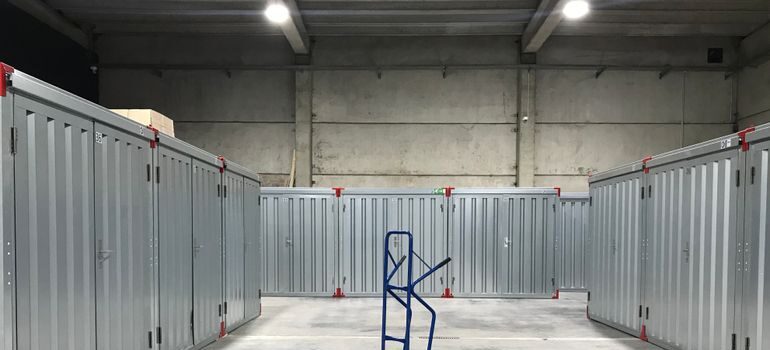
Self-storage facilities sell space in a handful of fixed sizes. A 5-by-5 unit gives you 25 square feet of floor. A 5-by-10 unit doubles that to 50 square feet. The popular 10-by-10 unit offers 100 square feet of room. Larger 10-by-15 and 10-by-20 units provide 150 and 200 square feet. A 10-by-20 unit roughly matches a standard one-car garage. These footprints stay consistent across most Bay Area facilities. Knowing them turns a confusing menu into a short list.
Thinking in Cubic Feet, Not Just Square Feet
Floor area only tells half the story. Most units stand about 8 feet tall inside. That height is usable space waiting to be filled. Stacking boxes toward the ceiling can nearly double capacity. A well-packed 10-by-10 unit holds a furnished one-bedroom apartment. The same unit, poorly packed, holds far less. Vertical space is the cheapest space in any storage unit. Sturdy, uniform boxes make tall stacks safe and stable.
Matching a Unit to Your Home Size
Sizing your storage unit the first time starts with determining where the home is being stored. A studio or dorm-sized load usually fits inside a 5-by-10 unit. That space holds a mattress, a dresser, and several boxes. A one-bedroom apartment generally calls for a 10-by-10 unit.
Two-bedroom homes tend to need a 10-by-15 unit. Three-bedroom houses with appliances often require the full 10-by-20 footprint. Four-bedroom homes may need two units or a larger space. These are starting points, not exact rules for every household.
Two homes of the same size rarely hold the same load. A minimalist one-bedroom may fit in a 5-by-10 unit. A collector’s one-bedroom may overflow a 10-by-10 unit. Furniture volume matters more than room count. Bulky items shift the estimate quickly. Sectional sofas, treadmills, and armoires eat cubic feet fast. Appliances like refrigerators and washers add large blocks of space. Count the big pieces first, then estimate the boxes around them.
Understanding Bay Area Storage Costs
Storage pricing tracks the region’s high real estate costs. A small 5-by-5 unit often runs a modest monthly rate. A 10-by-10 unit costs noticeably more each month. Climate-controlled units add a premium on top. Location drives price as much as size does. Units near dense city cores cost more than suburban ones. Renting one size smaller can save real money over months. A tight, well-packed unit beats a loose, oversized one. Compare rates before signing any monthly agreement.
Short-Term Versus Long-Term Needs
The length of the rental shapes the smart choice. A short bridge between homes needs only basic space. A long-term hold rewards a more organized setup. Match the unit type to the expected timeline. Short stays can tolerate a tightly packed unit. Long stays benefit from a walkable layout and shelving. A unit you enter often should never be packed solid. Think in weeks and months, not just cubic feet. A storage in Hayward CA can flex to either need.
Choosing a Facility Near You
Location affects both cost and convenience. A unit near home makes quick trips painless. A unit near work can suit a busy schedule. Distance adds friction to every visit. Consider traffic and parking at the facility. A hard-to-reach unit discourages regular access. The best unit is one you will actually use. Weigh convenience against the monthly savings of a farther site. Drive-up units speed loading for heavy items.
Deciding Between Storage and Moving Twice
Sometimes storage competes with a second move. Moving everything twice costs more than a short rental. A holding unit is often the cheaper path. Weigh the labor of two moves against the monthly rent. A single move into storage saves handling. Fewer touches mean less risk of damage. One careful load beats two rushed ones. Storage can be the frugal choice, not the costly one.
Labeling and Inventory Systems
A labeled unit is a usable unit. Number each box and keep a simple list. Note which box holds what on a phone. Retrieval then takes minutes, not hours. Color-coded tape sorts boxes by room at a glance. A map of the unit speeds any search. A five-minute list saves a frustrating dig later. Good labels turn a packed unit into an organized one.
When a Timing Gap Drives the Decision
Closing dates rarely line up with move-in dates. A short overlap between homes is the most common reason people rent space. Estimating the gap in weeks helps size the unit. A short gap needs less room than a long one. A two-week gap with a few boxes suits a 5-by-5 unit. A two-month gap in holding a household needs far more. Booking slightly larger leaves room to walk in and reach items. Trained Bay Area local movers can load a unit so that first-needed items stay near the door.
Storage During a Home Sale or Staging
Sellers often store furniture to stage a home for buyers. Empty rooms photograph larger and sell faster. A 10-by-10 unit usually holds the excess from a staged house. This keeps daily life running while the home shows well. The same logic helps during renovations. Storing furniture protects it from dust and paint. Clearing a room fully speeds up any contractor’s work. A short-term unit pays for itself in a smoother project.
Business and Commercial Storage Needs
Companies store records, inventory, and surplus furniture between moves. An office relocation often needs a holding space for equipment. Desks, chairs, and filing cabinets stack efficiently in a 10-by-15 unit. Sensitive electronics deserve a climate-stable environment.
Retailers use storage to manage seasonal stock. Extra inventory sits safely until the sales floor needs it. Firms planning to find the Bay Area commercial movers often pair the move with short-term storage. That pairing keeps the new office from becoming a warehouse.
Downsizing and Senior Moves
Older adults moving to smaller homes face tough space limits. Not every cherished item fits the new floor plan. Storage buys time to decide without rushing. A small unit holds heirlooms and seasonal pieces safely. Families often sort belongings across several visits. A holding unit makes that gentle pace possible. Households arranging senior moving support frequently rent a modest unit during the transition. A calm timeline protects both belongings and feelings.
Storing Furniture the Right Way
Furniture survives storage best when prepared well. Clean each piece before it goes into the unit. Disassemble beds, tables, and shelving to save space. Wrap wood and upholstery in breathable moving blankets. Avoid plastic wrap directly on wood for long stays. Trapped moisture can cloud a finish over time. Crews who handle furniture moving and heavy pieces prepare items for safe storage. In addition to sizing your storage unit the first time well, good prep keeps furniture looking new after months inside.
Clearing Out Before You Rent
Renting storage for junk wastes money every month. Sort belongings before choosing a unit size. Donate, sell, or discard what you will not keep. A smaller load needs a smaller, cheaper unit. Bulky trash should never fill paid space. A crew that handles Bay Area junk removal clears it first. Never pay to store what belongs in the landfill. A quick purge often drops the unit one full size.
Local Demand and Availability
Storage demand runs high across the East Bay. Searches for self storage in Hayward alone top 390 per month. That demand shows how many households plan ahead. Popular unit sizes can sell out during peak season. Booking early secures the size you actually need. Late bookings force a compromise on size or price. Households near the Hayward area often reserve weeks in advance. Early reservations beat scrambling for whatever remains.
Packing to Use Every Cubic Foot
Smart loading shrinks the unit size you pay for. Disassemble bed frames and tables before the unit fills. Stand mattresses and sofas upright against the walls. Fill drawers with linens rather than leaving them empty. Use uniform box sizes so stacks stay square and stable. Leave a narrow center aisle so nothing gets buried. Place rarely-needed items at the back. Label every box on two sides for quick reading.
Climate Control and What It Protects
Standard units handle most furniture and sealed boxes well. Wood, leather, electronics, and artwork react badly to humidity swings. The Bay Area sees damp winters and foggy coastal mornings. Relative humidity near the bay often tops 70 percent in winter. Data from the National Weather Service Bay Area office shows how persistent that coastal moisture can be. Climate-controlled units hold a steady temperature and humidity. They guard instruments, photos, documents, and fine furniture. Paying a little more protects items worth far more.

Protecting Valuables and Fragile Items
Some belongings need more than a dry room. Paintings, antiques, and instruments demand stable conditions. Sudden temperature shifts warp wood and crack finishes. A climate-controlled unit slows that damage dramatically. Specialized handling matters as much as the environment. Find fine arts movers Bay Area to keep your storage items safe. A single humid summer can ruin an unprotected canvas. Match the unit type to the value of the contents.
Safety, Access, and Insurance
A tidy unit is a safe unit. Heavy boxes belong at the bottom of every stack. Tall, unstable towers can topple and crush fragile goods. Ground-floor units save effort when items are moved often. Check whether your policy covers stored belongings. Guidance on protecting possessions appears in the national preparedness resources. Photograph the unit’s contents for your records. A quick inventory supports any future claim.
Getting the Number Right
Sizing comes down to three honest questions. How large is the home being stored? Or, how long will the gap last? How many fragile or climate-sensitive items are involved? Answer those and the right unit becomes clear. A quick inventory beats guessing at the counter. Households moving into a new place often pair storage with Bay Area residential movers. One coordinated handoff keeps the whole move simple.

Planning Ahead for a Smooth Move
Sizing your storage unit the first time saves time and money. It also spares you a stressful return trip across the Bay Area. Measure the load, count the weeks, and flag the fragile items. Then reserve the right size with room to spare. Early planning turns storage from a worry into a tool. The unit becomes a quiet bridge between two homes. A little math today prevents a costly guess tomorrow. That is the whole secret to sizing a unit well.
Frequently Asked Questions
What size storage unit do I need for a one-bedroom apartment?
A one-bedroom apartment generally fits a 10-by-10 unit (100 square feet). A minimalist one-bedroom may fit in a smaller 5-by-10 unit, while a household with more furniture or bulky items may need to size up.
How do I know if I need a 5x5, 10x10, or 10x20 storage unit?
Match unit size to home size: a studio fits a 5-by-10 unit, a one-bedroom fits a 10-by-10, a two-bedroom needs a 10-by-15, and a three-bedroom home with appliances typically requires a full 10-by-20 unit (about the size of a one-car garage).
Does storage unit height matter, or just floor space?
Yes. Most units stand about 8 feet tall, and that vertical space can nearly double capacity when packed well. A well-stacked 10-by-10 unit can hold a fully furnished one-bedroom apartment, while poor stacking wastes usable room.
Should I get a climate-controlled storage unit in the Bay Area?
It's worth it for wood furniture, leather, electronics, artwork, and documents. Bay Area winters bring humidity levels that can top 70%, and that moisture can warp wood or damage fragile items over time. Climate control keeps temperature and humidity stable.
Joy Patzner


David and his crew were wonderful. Very nice and VERY fast!!!

locations we serve
Alameda County

San Francisco County
Contra Costa County
San Mateo County