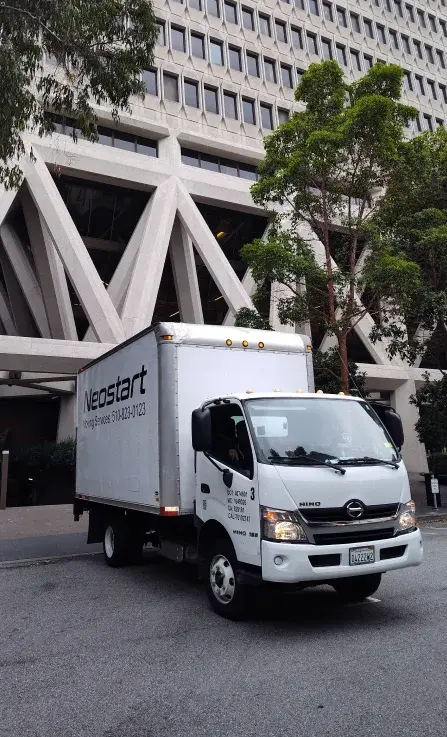
Moving Antiques and Heirlooms Safely Across the Bay Area



Commercial Moving
Residential Moving
Get Your Free Estimate
"*" indicates required fields






Fine art and antiques face risks that ordinary furniture does not. Shock, pressure, and humidity all threaten delicate pieces during a move. Standard moving coverage rarely matches what a valuable is truly worth. Protecting these items takes a full chain of careful steps. A written inventory, dated condition photos, full-value insurance, custom crates, and gentle handling on move day all play a role. The result is a controlled, unhurried process. Treasured pieces arrive at the new address in the same condition they left.
A scratched dining table is a frustration, and a cracked oil painting or a chipped heirloom vase is a permanent loss. Valuables need a different plan than the rest of the household. The care starts long before the truck arrives at the curb. With Neostart, moving antiques and heirlooms safely is simple. Protecting art and antiques during a move takes preparation, materials, and steady hands. Each piece deserves a method matched to its fragility and value. A little planning prevents an irreversible and heartbreaking mistake. The goal is simple: arrive with every treasure intact.
Why Moving Antiques and Heirlooms Requires a Different Approach
Ordinary boxes and blankets suit ordinary furniture, but moving antiques and heirlooms puts different risks on the table than everyday goods face. Shock, pressure, and humidity all threaten delicate pieces during transport. A single rough mile can undo a century of survival for something that made it through generations intact.
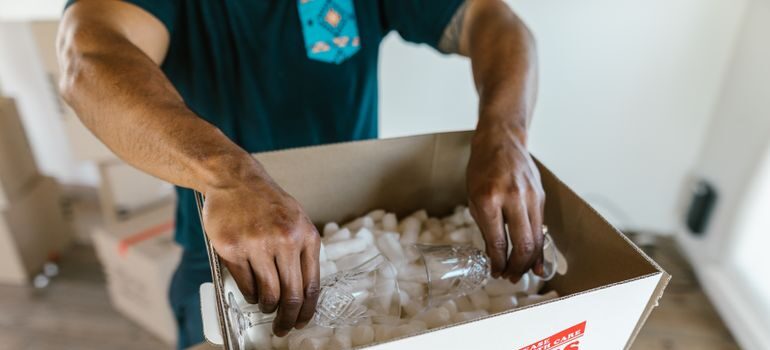
The value question compounds the fragility question. Some items are simply irreplaceable at any price, which raises the stakes of even a small mistake. Standard moving coverage rarely matches what a valuable is actually worth, since basic liability often pays by weight rather than by value. A fragile painting would recover only pennies that way. Full-value protection and separate fine art riders exist for exactly this reason. Confirming the coverage in writing before move day turns a potential disaster into a manageable claim.
Build a Complete Inventory and Documentation File
The protection plan starts with a written inventory. List every valuable item, group pieces by material, and note which need custom crates versus regular padding. Assign each item a priority level so the most valuable pieces get the most care. A written list turns a chaotic day into a controlled one.
Documentation matters as much as the packing itself. Photograph every valuable from several angles in good light, and record any existing chips, cracks, or wear on each piece. A dated photo proves the condition before transport begins. Keep the photos, notes, appraisals, and receipts together in a single folder, and store a copy off-site as backup. Number each item to match its crate, cross pieces off the list as the truck gets loaded, and share the list with everyone helping that day. A complete record speeds any future appraisal and confirms nothing gets left behind.
Choosing Packing Materials and Techniques
The right materials prevent most transit damage. Newspaper ink stains delicate surfaces and offers little cushion. Use acid-free tissue against finished wood and painted surfaces. Glassine paper shields painted art without sticking to it. Bubble wrap protects glass but should never touch a canvas. Corner protectors guard frames where damage most often starts. Different pieces call for very different methods, as shown below.
| Item type | Recommended protection |
|---|---|
| Framed paintings | Glassine, then a padded mirror carton |
| Sculptures | Custom wooden crate with a floating frame |
| Antique wood | Blanket wrap, never plastic on the finish |
| Ceramics and glass | Individual wrap inside a double box |
| Textiles and tapestries | Acid-free tissue, rolled, not folded |
The wrong material can cause the very damage you fear. Framed art needs a firm, custom fit inside its carton. Tape a large X across the glazing to contain any breaks. Stand framed pieces on their long edge, never flat. Trained fine arts moving crews carry the right cartons for this work. Some pieces need more than a blanket and a box. Sculptures and large mirrors often require a wooden crate. A crate absorbs shocks that would crush a carton. A floating interior frame keeps art from shifting on rough roads. Searches for Bay Area crating services run near seventy per month. That demand reflects how often valuables need real protection. A custom crate is cheap next to an irreplaceable loss. Wrap each piece as if the road ahead is rough. Protecting art and antiques during a move rewards patient, careful packing above all.
Handling Antiques, Instruments, and Fragile Decor
Antiques carry an age that makes them brittle. Lift chairs by the seat rails, never by the arms. Carry framed pieces vertically, not flat against the body. Remove loose parts like drawers and glass shelves first. Old joinery can fail under stress, but modern furniture shrugs off. Wrap delicate carvings and inlays with extra padding. Antique wood finishes scratch, dent, and cloud easily. Pad every surface that could rub during the trip. Avoid plastic directly on old varnish, since it traps moisture. Careful furniture movers in Bay Area know how to do the packing well. Instruments and mechanical items need their own attention. The list below covers pieces that require special handling:
- Guitars and violins in padded, rigid cases with loosened strings
- Clocks with pendulums and weights removed and wrapped
- Lamps with shades and bulbs detached and boxed
- Chandeliers with each arm and crystal padded separately
- Ceramics and figurines nested in a padded double box
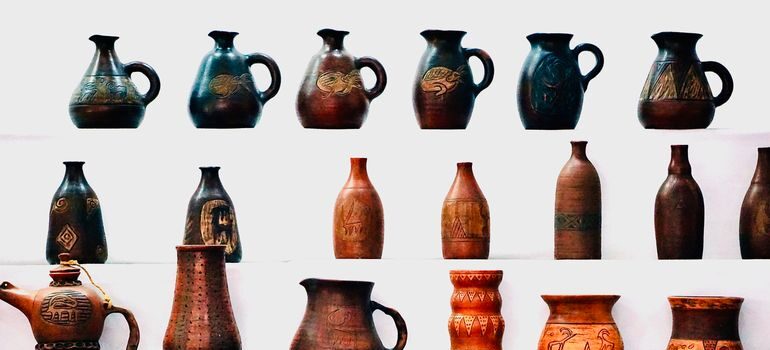
Handle Each Piece With the Care Its Material Requires
Loose parts cause a large share of transit damage, so wrap each removed component separately and label it clearly. A quick photo guide makes reassembly much easier at the destination. Fragile boxes belong toward the top of any stack, marked on all sides with orientation arrows. Age and beauty both deserve unhurried, respectful care. Test old joints gently before lifting, and ask about the history of each fragile piece. Older glue and nails can give way suddenly. Support heavy pieces from underneath rather than by handles, and use two people for anything awkward.
Climate, Humidity, and Safe Storage
Wood, canvas, and paper respond sharply to their environment. Conservators generally recommend relative humidity between forty and fifty-five percent. Sudden swings cause warping, cracking, and lifting paint. The Bay Area’s damp coastal air adds real risk year-round. Long holds call for the right environment, not a hot garage. Climate-stable Hayward storage services keep temperature and moisture constant. A garage or standard unit swings with the outside weather. Fragile pieces need a controlled space between homes. Short-term storage should never mean neglect or guesswork. Stand framed works upright, and never stack them flat. Keep sculptures padded and separated on sturdy shelves. A few weeks of poor storage can undo careful packing.
Stable Conditions Preserve Your Items
Set up the staging space carefully:
- Choose one clean, dry room to stage every valuable
- Lay out materials before handling any single piece
- Pack one item fully before starting the next
- Keep pets and children away from the staging area
- Label each finished crate the moment it is sealed
- Group items by material when arranging the storage unit
- Leave space to reach each piece without shifting others
Keep stored items in stable conditions:
- Keep a thermometer and humidity gauge in the unit
- Check the readings on every visit
- Aim for cool, steady temperatures year-round
- Avoid units near doors that swing open often
- Raise stored items off the concrete floor with a pallet
- Leave airflow around each piece to prevent mold
Loading, Transport, and Access
Order protects fragile pieces once loading begins. Load sturdy, heavy items along the truck walls first, and reserve a padded zone specifically for the valuables. Fragile crates ride upright and get strapped in so nothing slides during transit. Heavy boxes never stack on top of delicate ones. The right truck makes for a gentle ride, and air-ride suspension smooths rough roads for artwork.
Access points shape how each piece actually travels through the property. Measure doorways, stairwells, and elevators before move day. A large canvas or oversized frame can get stuck at a tight corner otherwise. A hoist through a window sometimes beats the stairs. The team of Bay Area local movers maps the route in advance so that no piece meets a bottleneck it cannot clear.
One person should track the fragile inventory throughout the day. Walk the crew through each valuable before any lifting starts. Point out pieces that require two people, and agree on the loading order in advance. Drive slowly over rough streets, brake early, and take corners wide. Sudden stops shift even a well-strapped load, so recheck the straps after the first few miles.

Unpacking and Final Checks
The move is not over when the truck pulls away. Let items adjust to indoor temperature before unwrapping so condensation does not form on cool metal and glass. Inspect each piece against the pre-move photographs and note any concerns while the memory is fresh. Report any damage to the mover and insurer promptly.
Rehang and place items only when the room is stable. Keep art out of direct sun and away from heat vents. The Library of Congress preservation guidance offers care steps for heirlooms and long-term storage. Store the inventory, photos, and paperwork together afterward. That record helps with any future move or appraisal.
A whole-home move can bury valuables in the shuffle without a plan. Bay Area residential movers keep the fragile inventory tracked from the first crate to the final placement. Assign one trusted person to that list, keep packing materials until every piece has been checked, and photograph each piece again in its new spot. The updated record protects the collection through the next move, too.
When to Bring In Professional Fine Arts Movers
Not every valuable piece needs specialty transport, but some cross a clear threshold. Original oil paintings valued over $10,000 warrant expert handling. So do sculptures with structural fragility, antique furniture with fine veneer, and museum-quality pieces of any kind. The line between standard care and specialty service falls at value, fragility, and irreplaceability.
Fine arts movers in the Bay Area bring resources that ordinary crews cannot match. Custom crating built for each piece typically runs $200 to $800, depending on size and complexity. Climate-controlled trucks with air-ride suspension maintain steady conditions during transit. Museum-grade materials replace standard supplies, including acid-free tissue, glassine, and specialty foam.
The full-service option makes sense for high-value collections and single pieces valued above $5,000. Routine antiques and decorative art usually stay well within standard residential moving services. Booking specialty crews often requires 4 to 6 weeks of lead time, especially during summer peak season.
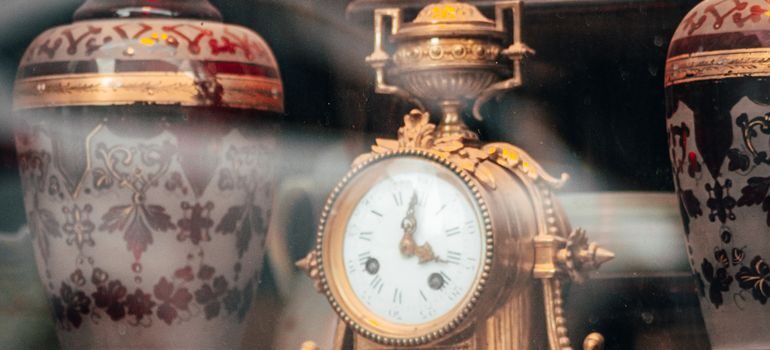
Moving Antiques and Heirlooms Can Be Simple
Moving antiques and heirlooms is a chain of careful steps rather than a single moment of caution. Documentation, insurance, and the right materials form the foundation. Crating, climate control, and gentle handling do the rest. Rushing any single step puts the whole collection at risk, while patience is the quiet secret behind every intact arrival. Inventory each piece, ensure the valuable ones, and pack them with the right materials. Control the climate, plan the route carefully, and unpack with care. Done well, treasured pieces arrive intact across every Bay Area mile.
Frequently Asked Questions
Why do art and antiques need different packing than regular furniture?
Fine art and antiques face risks that ordinary furniture does not, including shock, pressure, and humidity damage. A single rough mile can undo a century of survival for a piece that made it through generations intact. Custom crates, climate-aware wrapping, and priority handling all address risks that ordinary boxes and blankets simply cannot cover.
Does standard moving insurance cover the full value of art and antiques?
Usually no. Basic moving liability often pays by weight rather than by value, which means a fragile painting might recover only pennies of its actual worth. Full-value protection and separate fine art riders exist for exactly this reason. Confirming the coverage in writing before move day turns a potential disaster into a manageable claim.
What documentation should be prepared before moving valuable items?
A complete file includes a written inventory with each item numbered and prioritized, dated photographs of every piece from multiple angles, notes on existing chips or wear, appraisals, and purchase receipts. A backup copy should be stored off-site. That record supports insurance claims, future appraisals, and any future move.
What should happen when the valuables arrive at the new home?
Let items adjust to indoor temperature before unwrapping so condensation does not form on cool metal and glass. Inspect each piece against the pre-move photographs and note any concern while the memory is fresh. Report any damage to the mover and insurer promptly. Rehang art away from direct sun and heat vents once the room is stable.
Joy Patzner


David and his crew were wonderful. Very nice and VERY fast!!!

locations we serve
Alameda County

San Francisco County
Contra Costa County
San Mateo County