SF Moving Truck Permits Costs and How to Get One

Commercial Moving
Residential Moving
Get Your Free Estimate
"*" indicates required fields






Moving in San Francisco almost always requires a temporary no-parking permit from SFMTA. The permit reserves curb space so the truck parks close to the door. Applications go through 311, the SFMTA office, or the online portal. Fees depend on curb footage, meter involvement, and how many addresses are involved. Applying at least a week ahead avoids scheduling problems. Skipping the permit risks towing, tickets, and long carry charges from the crew.
San Francisco streets rarely leave room for a 26-foot moving truck. That is why the city requires temporary no-parking permits from SFMTA. These signs reserve curb space and give tow authority when other vehicles ignore them. Every move inside the city runs smoother with the right paperwork in hand. That applies to studio apartments and full office floors alike. Neostart handles moves across the Bay Area and knows the permit process in practice. The team walks clients through requirements before the moving date arrives. This guide covers what SF moving truck permits reserve, how much they cost, and how far ahead to apply. It also explains the differences between metered and unmetered blocks. Understanding these details keeps your move on schedule and avoids last-minute problems.
What an SFMTA Moving Permit Reserves at the Curb
An SFMTA temporary no-parking permit reserves a stretch of curb for your moving truck. The signs banning parking must go up before enforcement begins. For unmetered blocks, the notice period runs 72 hours. For metered spaces, the minimum drops to 24 hours. That difference matters when moves get scheduled on short notice. A 26-foot moving truck needs roughly 40 to 50 feet of open curb space. That covers the vehicle plus the ramp and door swing at the back.
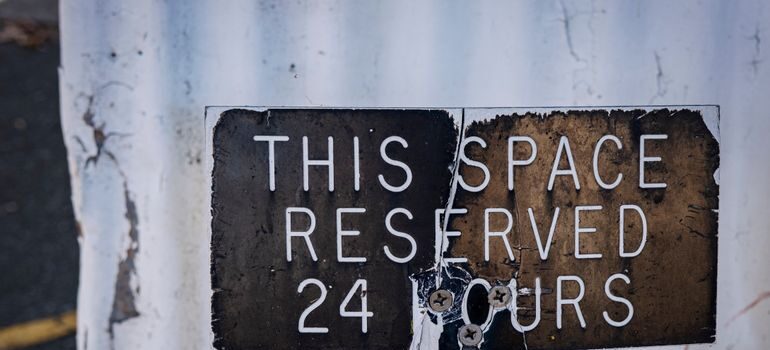
Trucks parked farther away trigger long carry fees from most Bay Area movers. Those fees usually kick in past 75 feet from the front door. The permit also grants tow authority. If someone parks in the zone anyway, calling 311 gets the vehicle removed. Enforcement runs from 7:00 AM to 10:00 PM daily, which brackets the window most moves happen inside. Signs alone do not guarantee an empty curb. Somebody from the household or moving team should watch the space until the truck arrives. The Bay Area residential movers know how quickly a reserved zone gets occupied without supervision.
What SF Moving Truck Permits Cost in 2026
Permit fees vary by curb footage, meter involvement, and how many locations the move covers. Most single-location moves land between $150 and $300. The average total across recent SFMTA applications sits around $280. For blocks with parking meters, an additional $18 per meter per day applies. A 50-foot zone typically covers three to four metered spaces. That can add $54 to $72 in meter fees on top of the base permit. Payment goes to the SFMTA through credit card, cashier’s check, or money order.

Personal checks are not accepted. Late applications and last-minute changes carry extra fees, which push totals higher than planned. Moves that involve both a San Francisco pickup and a San Francisco drop-off need two separate permits. That doubles the total cost for cross-city relocations. Businesses often overlook this cost line during budget planning. Neostart provides written quotes that include estimated permit fees for commercial moving projects. The team factors permit costs into the timeline so nothing shows up as a surprise on move day.
When to Apply for a Moving Permit in San Francisco
SFMTA requires a minimum of five business days to process a temporary sign request. That timeline assumes clean paperwork and no scheduling conflicts. In practice, moves booked during peak season need a wider cushion. The busiest months run from May through September. During that window, applying seven to ten days ahead of the move date keeps the schedule intact. Applications go through three channels. The online SF Temporary Permits Application accepts requests around the clock. Phone applications go through 311 or 415.701.2311 for callers outside the city. In-person requests happen at the SFMTA Permit Office at 1508 Bancroft Avenue. Office hours run Monday through Friday, 7:00 AM to 4:30 PM. The SFMTA temporary signage page covers the current online workflow and posting rules. Weekend moves need their signs posted before Friday afternoon in most cases. Missing that window forces a schedule change or a same-week rush fee. Storage containers and PODs follow a different permit process through San Francisco Public Works. That agency handles right-of-way approvals separately.
How Neostart Handles Permits During Move Planning
Booking a move through a professional crew shifts most permit logistics off your plate. Neostart provides curb space guidance based on truck size and building access. The team recommends specific footage during the initial site walk. That number goes into the SFMTA application and matches what the truck actually needs. Permit applications still require the customer’s signature and payment in most cases. Neostart supplies the reference documents and coordinates the timing. The team handles local moving inside city limits every week. Scheduling adjusts around permit approval windows, so a move date rarely locks in before the permit clears processing. This coordination prevents the most expensive mistake in an SF move. That mistake is a truck double-parked while meters run and neighbors call 311. Some buildings have private driveways or loading docks that eliminate the permit question entirely. The team confirms which properties fall into that category before applying. SF moving truck permits stay a required cost for most city addresses. Building around them from the first phone call keeps the whole schedule on track.

Plan Ahead for a Smoother Move
Handling SF moving truck permits early protects the schedule, the budget, and neighbors on the block. The process rewards planning and clear coordination between the household and the moving crew. Every San Francisco address benefits from confirming curb footage before the application ever goes in. Choosing the right posting window and pricing meter fees into the estimate matters just as much. Skipping those steps invites tickets, towed vehicles, and long carry charges. Those extra costs add up faster than the permit itself. Storage services bridge the gap when a move date shifts because of a permit delay. Talk through the whole process with Neostart before the calendar tightens on move week. The team factors SFMTA fees into a fixed written quote.
Frequently Asked Questions
Is a permit required with a private driveway?
No permit is required when the moving truck fits inside a private driveway or dedicated loading zone. That situation applies to some single-family homes and buildings with private access. Most SF apartment buildings and rowhouses lack that option. Calling 311 confirms whether a specific address qualifies.
How many permits does a move within San Francisco require?
Two permits are typically needed when both the pickup and delivery addresses sit inside city limits. That means one permit for the origin and one for the destination. Each carries its own fee and lead time. Skipping either one leaves the truck without reserved space at that end.
What happens when a car parks in the reserved zone anyway?
The permit grants tow authority once the signs have been posted for the required notice period. Calling 311 sends parking enforcement or a tow truck to clear the space. Getting the signs up on time is the key step. Late-posted signs remove the tow option.
Is same-day permit application possible?
Same-day permit approval falls outside the standard SFMTA process. The agency requires at least five business days for processing. Most moves benefit from applying seven to ten days ahead of the scheduled date. Emergency requests may qualify for expedited review in narrow cases.
Are permit fees included in a moving quote?
Permit fees usually appear as a separate line item on Bay Area moving estimates. Some companies handle the application and pass the cost through with paperwork attached. Others require the customer to apply directly and pay SFMTA. Reviewing the quote in advance clarifies which arrangement applies.
Joy Patzner


David and his crew were wonderful. Very nice and VERY fast!!!

locations we serve
Alameda County

San Francisco County
Contra Costa County
San Mateo County