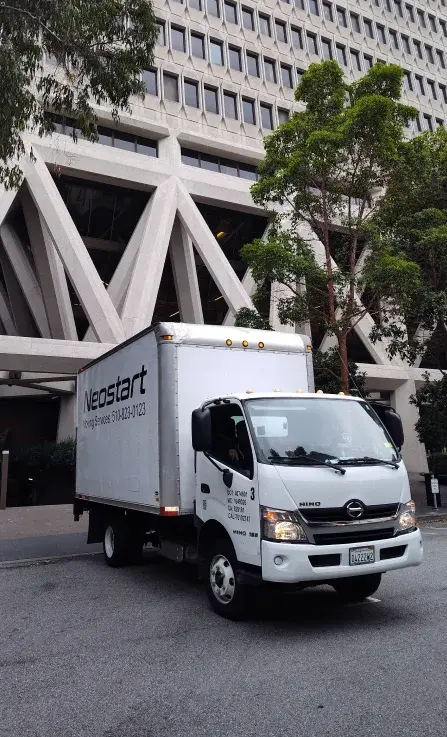
Moving from San Francisco to Hayward: A Complete Guide



Commercial Moving
Residential Moving
Get Your Free Estimate
"*" indicates required fields






Moving from San Francisco to Hayward is one of the most practical East Bay migrations for households seeking lower housing costs and more space. The two cities sit 25 miles apart with direct BART service between them. Median home prices in Hayward run less than half of SF prices. This guide compares housing, cost of living, schools, commute options, climate, and community across both cities. Every section covers the concrete data that shapes the decision. Hayward's central Alameda County location also puts households within reach of most Bay Area workplaces.
Moving from San Francisco to Hayward has become a popular option for households seeking more space at lower prices. The two cities sit 25 miles apart along Interstate 880. Direct BART service through the Green and Orange Lines connects both. Housing costs shift dramatically between the two cities. The change from urban SF density to Hayward’s suburban character reshapes daily life across many categories. Some households make the move to buy a first home. Others move for larger family space or shorter commutes to South Bay tech employers. Neostart handles this corridor year-round with headquarters in Hayward itself. This guide compares the two cities across every category that matters for households weighing the switch. Housing prices, sales tax, commute times, and community character all appear with concrete data. The goal is a clear picture of what changes when a household moves 25 miles south to Hayward.
Housing Market: Prices and Available Stock
Housing is the strongest driver of the SF-to-Hayward move. The gap is significant across every property category.
Median Home Prices
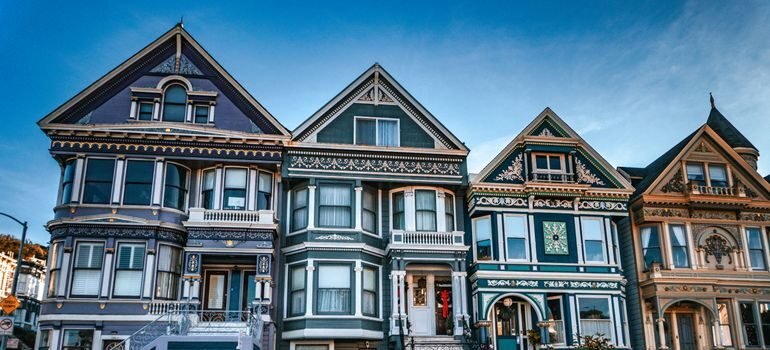
San Francisco’s median home price sits between $1.4 million and $1.7 million as of 2026. Hayward’s median runs $800,000 to $900,000. The gap is close to 50 percent, one of the widest between any two major Bay Area cities. Rents show similar patterns. One-bedroom Hayward rentals average about $2,000 per month, while comparable SF units start above $3,200.
Housing Stock Character
SF housing stock skews toward condos, Victorian flats, and older apartment buildings. Hayward offers detached single-family homes across most neighborhoods. Fairview and the hills east of downtown offer hillside homes with views. Southgate, Tennyson, and Mount Eden all provide flatlands neighborhoods with mid-century family homes.
Neighborhood Options
Cannery Place near downtown offers newer condos within walking distance of the Hayward BART station. Fairway Park sits in the hills with larger lots than most Bay Area cities offer. The Historic District along B Street features restored older homes with character rare in East Bay neighborhoods. Newer developments near the Cal State East Bay campus attract younger families and staff. Moving companies San Francisco file loading permits at the origin. Destination logistics in Hayward remain simpler given the suburban driveways and wider streets.
Cost of Living Beyond Housing
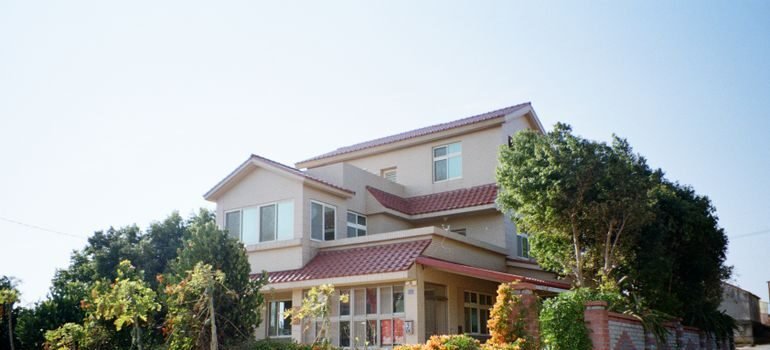
Housing dominates the cost difference, but the smaller categories also shift. Understanding these before the move helps households plan a realistic budget.
Sales Tax and Local Rates
San Francisco carries the lowest combined sales tax of any major Bay Area city at 8.625 percent. Hayward’s combined rate runs 10.75 percent. For a household spending $2,000 per month on taxable goods, the shift adds roughly $510 per year. That figure only reflects the tax difference on regular purchases. Property tax rates run around 1.15 percent to 1.25 percent in both cities.
Groceries and Daily Costs
Grocery prices in Hayward run close to SF prices since both draw from regional supply chains. Restaurant meals often cost 15 to 20 percent less in Hayward than in comparable SF neighborhoods. Gas prices track within a few cents of each other across both cities.
Overall Cost of Living
San Francisco’s cost of living runs about 64 percent above the national average. Hayward sits closer to 42 percent above the national average. The 22-point gap comes almost entirely from housing, not from everyday spending. Median household income in Hayward is roughly $110,000, lower than SF’s $134,000 but adequate for the city’s price range. The city offers strong value for working families and first-time buyers alike.
Commute Options and the 25-Mile Route
Commute compatibility drives the practical viability of the move for SF workers. Hayward has two BART stations and direct freeway access.
Two BART Stations
Hayward station serves the Green and Orange Lines. South Hayward station serves the same two lines from the southern end of the city. The commute from Hayward station to Embarcadero in downtown SF takes about 40 minutes off-peak. Bay Fair station in the northern part of the city adds a third option for many residents.
Interstate 880 and Alternatives
Interstate 880 runs the length of Hayward’s western side. Off-peak driving from Hayward to downtown SF takes about 35 minutes via the San Mateo Bridge. The Bay Bridge route runs closer to 45 minutes off-peak. Peak commute hours can stretch these trips past 90 minutes. Weekend and mid-day driving stays much smoother. Traffic patterns on I-880 vary widely by time of day and day of week. Reverse-commute driving from Hayward north into SF sees less congestion than the traditional SF-to-Hayward evening rush.
Move Day Traffic
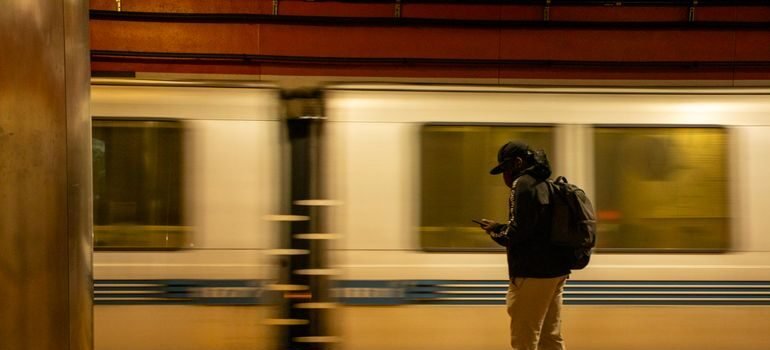
Peak commute traffic westbound on I-880 runs weekday mornings between 6 and 9 AM. Eastbound peak hits weekday evenings. Bay Area local movers typically schedule mid-morning weekend crossings on this corridor. The timing avoids most congestion for moving from San Francisco to Hayward at any time of year.
Schools and Districts
School quality is a common consideration for households moving to Hayward. The district structure works differently than SFUSD.
Hayward Unified School District
Hayward Unified School District serves most of the city’s public school students. The district covers elementary, middle, and high school with neighborhood-based assignments tied to home address. That predictability contrasts with SFUSD’s citywide lottery system that can send students far from their neighborhood.
Notable Schools
Moreau Catholic High School serves the private school market with strong college placement. Chabot College and Cal State East Bay both operate campuses in Hayward. The higher education presence adds an educational anchor to the city that few similar-sized Bay Area cities offer. Charter school options provide additional variety within the public system. Impact Academy of Arts and Technology serves grades 6-12 as a charter option. Leadership Public Schools also operates a charter high school in the city. Both give families choices beyond the standard district assignments.
School Timing for the Move
Enrollment typically opens in spring for the following fall term. Households planning to move from San Francisco to Hayward often time the transition between school years. Summer moves allow kids to start fresh at Hayward schools without mid-year transitions. The California Department of Education publishes district performance data that families can review before committing to a specific neighborhood.

Climate, Weather, and Air Quality
Climate patterns differ meaningfully between coastal SF and inland Hayward. Understanding the shift helps households prepare for daily life in the new city.
Temperature Differences
San Francisco’s coastal climate averages 65 to 70 degrees Fahrenheit in summer. Hayward’s location east of the Bay produces warmer summer temperatures. Hayward regularly sees summer days between 75 and 85 degrees, with occasional days above 90. Winter temperatures run similar to SF, with lows in the 40s and highs in the 55 to 65 range.
Fog and Sunshine
SF sits under the coastal marine layer most summer mornings. Hayward receives significantly more sunshine, especially in the eastern hills. Annual rainfall runs about 20 inches in Hayward compared to 22 to 24 inches in SF. Both cities receive most of their rain between October and April. Bay Area summer months bring almost no rainfall in either city. Fall and spring produce the most pleasant weather in Hayward specifically. Mild temperatures and clear skies support outdoor activities and community events.
Air Quality and Wildfire Season
Air quality follows different patterns in each city. SF’s ocean breeze often clears wildfire smoke faster during California fire season. Hayward can trap smoke against the surrounding hills for longer periods. During peak smoke events, families sometimes hold sensitive belongings in storage in Hayward CA until conditions improve. Climate-controlled units protect electronics, artwork, and other sensitive items when air quality drops below safe levels for extended periods.
Community Character and Demographics
The overall feel of daily life differs meaningfully between the two cities. Understanding those differences helps households set realistic expectations for the transition.
Population and Density
San Francisco has roughly 810,000 residents packed into 47 square miles. Hayward has about 162,000 residents across 64 square miles. The density difference produces obvious effects on daily life. Less street noise, more parking, larger stores, quieter evenings, and easier logistics all follow from the suburban character.
Cultural Diversity
Hayward is one of the most diverse cities in California by measured racial composition. Latino, Asian, Black, and White populations all form significant portions of the city. The cultural diversity shapes the food scene, community events, and religious institutions throughout Hayward. Downtown Hayward has grown as a walkable district with restaurants representing many cuisines.
Economic Base
Hayward hosts significant industrial and commercial employers along the I-880 corridor. Warehouse and logistics operations, biotech companies, and retail centers all provide local employment. Cal State East Bay adds educational sector jobs. The economic base gives Hayward more employment options than most East Bay cities of similar size. Downtown revitalization continues to add restaurants, arts venues, and small businesses each year. Weekend farmers markets, the Hayward Japanese Gardens, and the annual Zucchini Festival all contribute to community life.

The 25-Mile Move Itself
The move covers a short physical distance but involves specific logistics at both ends of the trip, especially loading and unloading, which require different planning approaches.
Loading in San Francisco
Loading in SF is usually the harder part of the day. Streets are narrow and curb space is limited. Many neighborhoods require SFMTA temporary sign permits that cost $150 to $300 and require 5 business days of processing. Bay Area residential movers file these permits during the move planning phase to secure legal parking on move day.
The Route
Two main route options exist. The Bay Bridge and I-880 south cover about 30 miles and take 45 minutes off-peak. The San Mateo Bridge and Highway 92 cover 25 miles and take 35 minutes off-peak. Bridge tolls apply on the westbound return trip only for passenger vehicles. Moving trucks pay based on axle configuration.
Unloading in Hayward
Hayward homes typically offer significantly more square footage than comparable SF units. Compact SF furniture often looks lost in larger Hayward family rooms. Furniture movers Bay Area flag during the estimate which pieces will fit the new home properly. A three-bedroom SF-to-Hayward residential move typically runs $1,500 to $3,000. Access complexity and total volume drive the variance more than the 25 miles themselves.
Weighing the Trade-Offs
Moving from San Francisco to Hayward trades urban density for suburban space. Housing costs drop by roughly 50 percent. Sales tax rises modestly. The commute back to SF stays manageable through BART or two bridge options. Climate warms slightly but stays temperate year-round. Schools switch to neighborhood-based assignments, and community diversity remains strong in a different form. The move makes sense for first-time buyers, families needing more space, and workers with jobs in the East Bay or South Bay corridor. Urban dwellers who love SF density may find the transition too dramatic. Retirees find Hayward workable with reliable services, medical care, and BART access to the broader Bay Area. The final decision depends on what matters most to each household weighing the corridor south.
Frequently Asked Questions
How far is Hayward from San Francisco and how long does the commute take?
Hayward sits 25 miles south of San Francisco. Off-peak driving takes about 35 minutes via the San Mateo Bridge or 45 minutes via the Bay Bridge. BART from Hayward station to Embarcadero takes about 40 minutes off-peak. Peak commute hours can stretch drive times past 90 minutes on some routes.
How much cheaper is housing in Hayward compared to San Francisco?
Median home prices in Hayward run $800,000 to $900,000 as of 2026. San Francisco's median sits between $1.4 million and $1.7 million. The gap is close to 50 percent. One-bedroom rentals in Hayward average $2,000 per month, while comparable SF units start above $3,200.
Does Hayward have direct BART service to San Francisco?
Yes. Hayward has two BART stations. Hayward station and South Hayward station both serve the Green and Orange Lines with direct service to downtown SF. Bay Fair station in the northern part of the city adds a third option. The train reaches Embarcadero in about 40 minutes off-peak.
What are the top neighborhoods in Hayward for families?
Fairview and Fairway Park offer hillside homes with larger lots and family-oriented neighborhoods. Cannery Place near downtown provides walkable transit-oriented living. Southgate and Mount Eden provide flatlands neighborhoods with mid-century family homes. Hayward Unified School District serves all these neighborhoods with neighborhood-based school assignments.
How much does it cost to move from SF to Hayward?
A three-bedroom SF-to-Hayward residential move typically runs $1,500 to $3,000. Access complexity and total volume drive the variance more than the 25 miles. SF loading often requires an SFMTA temporary sign permit costing $150 to $300 with 5 business days of processing. Bridge tolls apply on the westbound return trip only.
Joy Patzner


David and his crew were wonderful. Very nice and VERY fast!!!

locations we serve
Alameda County

San Francisco County
Contra Costa County
San Mateo County