Moving Into a Palo Alto Eichler: How to Protect Glass, Floors, and Mid-Century Style



Commercial Moving
Residential Moving
Get Your Free Estimate
"*" indicates required fields






Palo Alto has more than 2,700 Eichler homes, and about 2,200 remain largely intact. Most are 1,600 to 1,900 square feet, with glass walls, radiant heated concrete floors, and little attic storage. Recent sales ran from about $1,970 to $2,270 per square foot.
Moving into a Palo Alto Eichler is not like moving into a typical suburban house. These mid-century homes feature walls of glass, open plans, and floors that hide heating pipes in the concrete. Each feature shapes how furniture comes in and where it goes. An organized team from Neostart plans for these details, yet owners should know them too. Learn the house first, then plan the move around it.
What Makes a Palo Alto Eichler Different on Move Day?
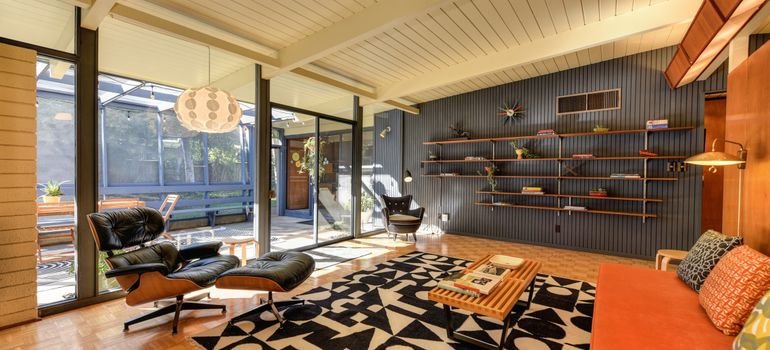
Joseph Eichler’s company built more than 2,700 homes in Palo Alto between the late 1940s and the 1970s. They sit in about a dozen neighborhoods, including Greenmeadow, Fairmeadow, and Green Gables. About 2,200 remain largely intact today. Green Gables is listed on the National Register of Historic Places. Greenmeadow is recognized as a historic district. Most homes measure 1,600 to 1,900 square feet. Each design shares a few traits that change how a move works.
| Eichler feature | What it means on move day |
|---|---|
| Floor-to-ceiling glass walls | Pad and guard glass near every path |
| Radiant heat in the concrete slab | Never drill or nail into the floor |
| Post-and-beam frame, few interior walls | Fewer places to hang heavy art |
| Flat or low-slope roof, no attic | Little built-in storage space |
| Open atrium entry | Plan a dry route if rain is likely |
Plan furniture placement before the truck arrives, since open plans leave few walls. Crews that work as movers Palo Alto homeowners trust often walk the house first. That walkthrough maps the safest path from the street to each room. It also shows where the truck can park without blocking a neighbor’s carport. Many Eichler streets are narrow and lined with mature trees.
Protecting Glass Walls and Original Floors
Glass is the first thing to protect. Many Palo Alto Eichler homes still have large single-pane panels in thin aluminum frames. A bumped dolly or a swinging table leg can crack one. Lay padding along every route near the glass. Keep tall items upright and carried, not tipped, near windows. Sliding glass doors often serve as the widest entry. Clean the tracks and test the doors before the crew arrives.

Floors need equal care. Concrete slabs may hold original cork, vinyl, or polished finishes. Use floor runners from the door to each room, even for short carries. Skilled furniture movers Bay Area crews bring felt pads, sliders, and corner guards for this kind of house. A few minutes of padding saves an expensive glass or floor repair. Remove shoes with hard soles near cork floors, since grit scratches the surface.
Radiant Heated Slabs: What Not to Do
Most original Eichlers heat with hot water pipes buried in the concrete floor. That system is quiet and efficient, but it is easy to damage. Never drill, nail, or anchor anything into the slab without knowing where the pipes run. A single misplaced fastener can puncture a line. Leak detection and repair often cost $500 to $2,000.
Heavy, thick rugs also reduce heat in the rooms they cover. Choose thin rugs with breathable pads, and avoid covering most of a room. Mount TVs and shelves on wood beams or framed walls, never into the floor. Freestanding storage avoids the risk entirely. Ask the seller or inspector about the age of the boiler and any past leak repairs before moving in. Early systems used galvanized steel pipes, while later homes used copper. Specialists suggest a service check every one to three years. A full replacement can cost $20,000 to $50,000, so the inspection matters.
Mid-Century Furniture and Art
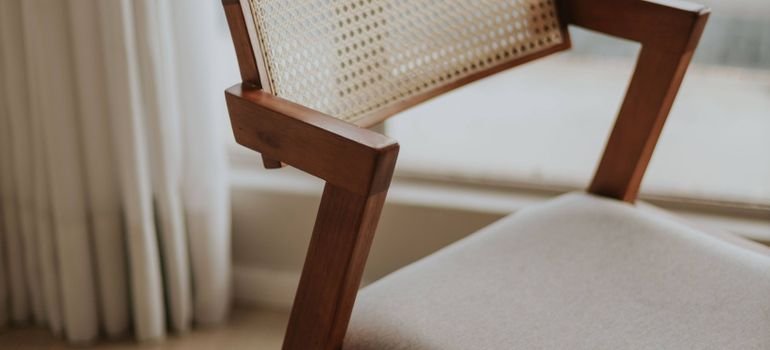
Many Eichler owners bring vintage furniture that matches the architecture. Walnut credenzas, molded chairs, and teak tables are fragile and costly to restore. Wrap each piece in moving blankets, not plastic, to avoid trapping moisture. Remove legs where possible and bag the hardware with each piece. Label each bag with the item name, so reassembly takes minutes instead of hours. Art needs a plan too, since post-and-beam walls offer limited hanging space. Large canvases may lean on low cabinets instead of hanging. Direct sun through the glass walls can fade fabric and artwork. Plan placement away from the brightest windows. Owners of valuable works often hire fine arts movers Bay Area specialists to crate and install each piece. Photograph every vintage item before the move to document its condition. Measure low credenzas against window heights, since many Eichler walls are mostly glass.
Storage and Design Rules for Eichler Owners
Eichlers have no attic and few large closets. Plan storage before the move, not after. A few options fit the design without clutter:
- low built-in cabinets along the carport or garage wall
- under-bed drawers in each bedroom
- a compact backyard shed for tools and seasonal items
- an off-site unit for furniture that does not fit
Downsize items that will not fit the open layout. Bulky traditional furniture often feels oversized in these rooms. Exterior changes may also need city review. Palo Alto publishes the Eichler neighborhood design guidelines for additions, windows, and other updates. Read them before adding exterior storage or changing windows. A Palo Alto Eichler in Greenmeadow sits in a historic district, so review may be stricter there. Talk with the planning department before ordering a shed or new windows. A short call can prevent a costly permit problem later. Neighbors in Eichler tracts often share contractor names who know the rules well.
Move Into Your Eichler With Neostart
A Palo Alto Eichler rewards a careful, well-planned move. Protect the glass, keep fasteners out of the slab, and plan storage before the truck arrives. Book the move on a dry day when possible, since open atriums let rain inside. Neostart helps homeowners move into mid-century homes with the right padding and care. Families who get packing services Bay Area can leave fragile items to trained hands. Call Neostart or request a quote to plan a move that respects your Palo Alto Eichler.
Frequently Asked Questions
How many Eichler homes are in Palo Alto?
Palo Alto has more than 2,700 Eichler homes built from the late 1940s to the 1970s. About 2,200 remain largely intact today.
Can you drill into an Eichler floor?
Avoid drilling or nailing into an Eichler slab without locating the radiant heating pipes first. A puncture can cause a leak that costs $500 to $2,000 to find and repair.
What neighborhoods in Palo Alto have Eichlers?
Greenmeadow, Fairmeadow, Green Gables, Palo Verde, Los Arboles, and Charleston Meadows are among the best-known. In total, about a dozen Palo Alto neighborhoods have Eichler homes.
Do Eichler homes have attics?
No, most Eichlers have flat or low-slope roofs without attic space. Storage relies on closets, built-ins, garages, or a backyard shed.
Are there rules for changing an Eichler in Palo Alto?
Yes, Palo Alto publishes Eichler neighborhood design guidelines for exterior changes. Greenmeadow is a historic district, so some changes there may face stricter review.
Joy Patzner


David and his crew were wonderful. Very nice and VERY fast!!!

locations we serve
Alameda County

San Francisco County
Contra Costa County
San Mateo County