Moving a Home Gym in the Bay Area



Commercial Moving
Residential Moving
Get Your Free Estimate
"*" indicates required fields






Moving a home gym is one of the hardest parts of a Bay Area relocation. Cable machines can weigh 500 to 800 pounds. Power racks with plates loaded exceed 1,000 pounds. Peloton bikes and connected fitness gear add electronic sensitivity to the mix. Bay Area building rules add further complexity, from elevator weight limits to narrow Victorian staircases. The right approach combines careful disassembly, tracked hardware, climate-aware storage, and professional handling. Skipping any of these steps risks injury, equipment damage, or costly property repairs at both ends of the move.
Home gym setups grew dramatically across Bay Area homes after 2020. Remote work, gym closures, and lasting shifts in fitness habits all drove the trend. Bay Area homes now hold thousands of dollars in specialized fitness machines. Peloton bikes, cable machines, weight racks, and rowers now fill garages, spare bedrooms, and converted basements. Moving a home gym across town or into a new home becomes the hardest part of the entire relocation. Weight ratings, mechanical tension, floor loading, and building access rules all combine into a real challenge. Ordinary DIY moving struggles to handle any of these safely. Neostart works with home gym owners across the Bay Area to move this equipment without damage or injury. The professional help matters at every stage. Careful planning saves real time, money, and equipment.
Why Home Gym Equipment Is Not Ordinary Furniture
Moving a home gym is not the same as moving ordinary furniture. Weight and mechanical complexity define the difference between the two categories.
The Weight Question
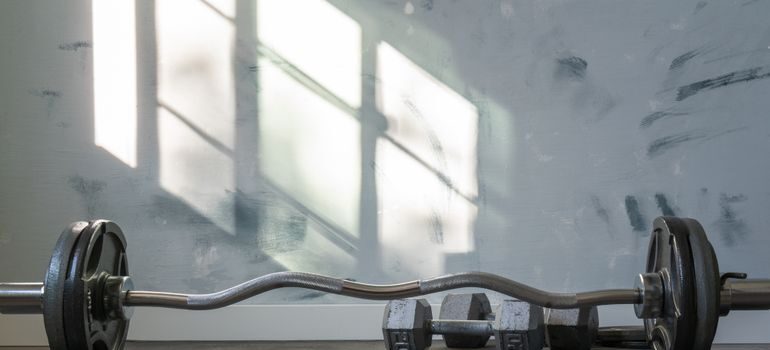
A Peloton Bike+ weighs about 140 pounds fully assembled. A commercial-grade treadmill often exceeds 300 pounds. Cable machines with weight stacks routinely hit 500 to 800 pounds. Power racks and half-racks with plates loaded can exceed 1,000 pounds. Olympic bumper plates come in 10, 25, 35, 45, and 55-pound units. A modest home gym often has 300 to 500 pounds of plates alone.
The Tension Problem
Cable machines, functional trainers, and Smith machines carry pretension in their cables and pulleys. A cable that lets go during disassembly can whip with real force. Weight stacks that shift during transport can shear off internal pins. Even a stationary bike has flywheel resistance systems that can seize if handled roughly.
Floor Loading Rules
Residential floor load ratings target 40 pounds per square foot for live loads. A 600-pound cable machine sitting on four small feet exceeds that rating by a wide margin. The same rule applies during move day when equipment sits temporarily on landings, elevator floors, and stairwells.
Disassembly and Reassembly Take Real Expertise
Disassembly is not optional for most gym equipment. Trying to move a fully assembled power rack through a standard doorway simply does not work.
Sequence and Torque Specs
Manufacturers publish specific disassembly sequences and torque specifications for reassembly. A Rogue power rack uses specific bolt patterns and torque values that must be matched during reinstallation. Getting the sequence wrong can compromise structural integrity or void the warranty. Photograph every step during disassembly to guide reassembly at the destination.
Small Parts and Hardware
Home gym equipment includes hundreds of small parts. Bolts, washers, cotter pins, safety pins, cable end caps, and rubber feet all need tracking. Losing one critical bolt can leave the equipment unusable until a replacement arrives. Labeled hardware bags matched to each piece prevent this problem.
Cable Systems Require Special Handling
Cable machines need cables detached in a specific order to release tension safely. The cables then need to be stored uncoiled or in wide loops to prevent kinking. A kinked cable can fail under load. That failure creates a real safety hazard the first time the equipment is used again.
Bay Area Access Rules Add Another Layer
Moving a home gym through Bay Area housing stock brings specific access challenges that generic moves do not face.
San Francisco Multi-Unit Buildings
Most SF apartments and condos have elevator weight limits between 2,000 and 3,000 pounds. A power rack plus plates plus the crew can approach that limit. Freight elevator access often requires advance HOA scheduling with 48 to 72 hours of notice. Bay Area local movers coordinate these building requirements before move day arrives.
Stairs and Narrow Hallways
Older SF Victorian conversions have narrow staircases that predate modern equipment sizes. A treadmill deck often exceeds 32 inches wide, which is close to the limit for many older buildings. Assessing this at the estimate stage prevents the situation where equipment reaches the door and cannot pass through.
Loading Access at the Destination
Loading conditions matter at both ends of the move. Suburban East Bay driveways provide easy truck access. Downtown SF often requires SFMTA temporary sign permits. These permits cost $150 to $300 and require 5 business days of processing. Furniture movers Bay Area file these permits during the move planning phase for equipment that needs street-level loading.
Rubber Flooring Deserves Its Own Plan
Rubber gym flooring is often overlooked during move planning. It matters more than most owners realize.
Common Flooring Types
Interlocking rubber tiles weigh 8 to 12 pounds each. A 10 by 12-foot gym floor uses roughly 30 tiles at 240 to 360 total pounds. Horse-stall mats measure 4 by 6 feet and weigh 80 to 100 pounds each. Poured rubber floors cannot be moved and stay with the property.
Cleaning Before the Move
Rubber flooring accumulates chalk, sweat residue, and small metal debris over years of use. Cleaning before disassembly makes stacking and transport cleaner. It also prevents residue from transferring to other items in the truck.
Reinstallation at the New Space
New floor space needs measuring before the tiles get laid out again. A gym floor that fit perfectly in one room may not fit the new space. Trimming or expansion often becomes necessary. Professional crews can handle the cutting to fit new dimensions during reinstallation.
Storage Between Homes Requires Climate Attention
Timing gaps between move-out and move-in happen for many Bay Area moves. Home gym equipment needs specific storage conditions during those gaps.
Electronics Sensitivity
Modern gym equipment includes screens, sensors, and connected fitness technology. Peloton screens, Tonal wall units, and Mirror trainers all include electronics that respond poorly to humidity swings and temperature extremes. Standard garage-style storage swings with outdoor temperatures. Climate-controlled options hold conditions steady.
Cable and Padding Preservation
Cables, upholstery, and padding age faster in extreme temperatures. A 90-degree storage unit accelerates rubber degradation and dries out foam padding. For any storage period beyond a few weeks, storage in Hayward CA provides climate-controlled options. Equipment stays in good condition until move-in day arrives.
Documentation for Insurance
Photographing every piece before storage protects the owner if damage occurs. Home gym equipment often represents $5,000 to $30,000 in total value. That level of investment deserves documented condition records before any storage period begins.
Why Professional Help Genuinely Matters
Some moves can run DIY with friends and a rental truck. A home gym move is not one of them, and the reasons go beyond convenience.
Injury Risk Without Training
The single biggest reason to bring in professionals is injury prevention. The CDC’s injury prevention data identifies overexertion during heavy lifting as a leading cause of workplace and household injury. A 400-pound cable machine dropped during a stair carry can cause permanent injury. Two people trying to muscle a power rack through a doorway routinely produce back injuries, crushed fingers, and dropped equipment. Trained crews carry heavy equipment with proper lifting technique, straps, and dollies designed for the load.
Equipment Damage Costs
Damaged home gym equipment often cannot be repaired affordably. A cracked frame on a $3,000 rack means replacement rather than repair. A stripped cable pulley on a functional trainer requires factory parts and skilled installation. DIY moves that go wrong turn a $500 professional move into a $3,000 replacement bill.
Building Damage Liability
Dropped equipment damages walls, doorways, floors, and elevators. HOA fines for elevator damage in SF condo buildings routinely run $500 to $5,000. Deposit forfeitures on rental properties add more. Bay Area residential movers carry insurance that covers damage to the property during the move.
Plan the Home Gym Move Early
Moving a home gym deserves its own place in the move plan rather than treatment as an afterthought. The weight, the mechanical complexity, and the building access rules all combine into a real project. The injury risk alone makes professional handling worthwhile. Photograph the equipment before disassembly for reassembly guidance. Track every bolt and small part in labeled bags. Confirm elevator access and stairwell dimensions before move day. Consider climate-controlled storage for any gap between homes. Most importantly, work with a moving crew that has experience handling this specific category of belongings. Every Peloton, every cable machine, and every power rack has its own quirks. Experience with the category prevents the small mistakes that add up to major damage. With the right team and a solid plan, a home gym move becomes manageable. The hardest part of the day turns into a segment that finishes on schedule.
Frequently Asked Questions
How heavy is typical home gym equipment?
Weight varies widely across categories. A Peloton Bike+ weighs about 140 pounds. Commercial treadmills often exceed 300 pounds. Cable machines with weight stacks routinely hit 500 to 800 pounds. Fully loaded power racks can exceed 1,000 pounds. Olympic bumper plates alone often add 300 to 500 pounds to a modest home setup.
Can two friends move a home gym without professional help?
Two people can move basic equipment like a stationary bike or a rowing machine. Heavier items like cable machines, power racks, and loaded plate stacks routinely cause injuries in DIY attempts. Cable tension, floor loading, and doorway clearances all add technical challenges. Professional crews carry the right straps, dollies, and training for the load.
What happens to Peloton and Tonal screens during a move?
Connected fitness electronics need protection from vibration, humidity, and temperature swings. Screens should be wrapped separately from the base frame when possible. Standard garage storage between homes can damage electronics through heat and cold cycles. Climate-controlled storage holds conditions steady during any gap of more than a few weeks.
How much does it cost to move a home gym in the Bay Area?
Connected fitness electronics need protection from vibration, humidity, and temperature swings. Screens should be wrapped separately from the base frame when possible. Standard garage storage between homes can damage electronics through heat and cold cycles. Climate-controlled storage holds conditions steady during any gap of more than a few weeks.
How much does it cost to move a home gym in the Bay Area?
Costs depend on total weight, number of pieces, disassembly complexity, and access conditions at both ends. Simple home setups with a bike and free weights often add $200 to $500 to a standard residential move. Full functional-training rigs with cable machines and power racks typically add $500 to $1,500. Custom crating for specialty equipment adds more.
Do I need to remove rubber gym flooring before the move?
Interlocking rubber tiles and horse-stall mats travel with the rest of the equipment. Poured rubber flooring cannot be moved and stays with the property. Interlocking tiles weigh 8 to 12 pounds each, while horse-stall mats weigh 80 to 100 pounds each. Cleaning the flooring before disassembly makes transport cleaner and prevents residue from spreading in the truck.
Joy Patzner


David and his crew were wonderful. Very nice and VERY fast!!!

locations we serve
Alameda County

San Francisco County
Contra Costa County
San Mateo County