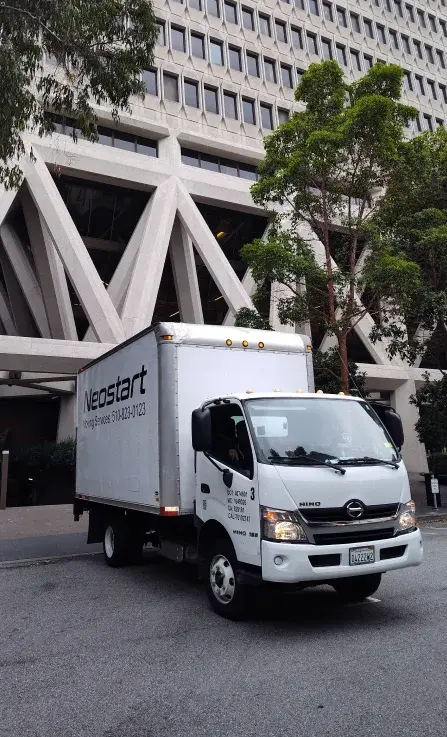
Moving from San Francisco to Daly City: The Short Hop South



Commercial Moving
Residential Moving
Get Your Free Estimate
"*" indicates required fields






Moving from San Francisco to Daly City is one of the most common short-distance relocations in the Bay Area. The appeal has held steady for decades. The two cities share a direct border, but life shifts in real ways once you cross south. Housing costs less, sales tax runs higher, and the fog tends to roll in earlier most mornings. BART keeps the daily commute to the city straightforward. That connection is why so many SF residents have chosen this route as a practical way to stretch their housing budget.
Moving from San Francisco to Daly City is one of the most common short-distance relocations in the region. The two cities share a direct border along the southern edge of San Francisco, and the drive covers about 10 miles. For SF residents priced out of city rents, Daly City offers more square footage at lower monthly costs. The fog patterns, the BART access, and the housing stock all change at the city line. Neostart handles this route every week. This guide covers what makes the short hop south distinct from a same-city move.
Ten Miles, Two Climates
The route from most San Francisco neighborhoods to Daly City takes 15 to 30 minutes, depending on traffic and origin. Highway 280 connects the central SF neighborhoods to Daly City. Highway 1 serves the western SF neighborhoods through Pacifica with a slightly longer drive.

The two cities share coastal weather, but Daly City’s microclimate runs notably cooler and foggier. The city carries the nickname “Fog City” because the dense marine layer funnels through the Westlake gap from the Pacific. Daly City often sits 5 to 10 degrees cooler than the warmer parts of San Francisco on summer afternoons.
How Daly City Fog Affects Move Day Plans
Move day in Daly City often starts foggy, regardless of the season. Morning visibility along Skyline Boulevard and the John Daly Boulevard corridor can be limited until mid-morning. The moisture in the air affects cardboard packing materials more than dry-weather moves typically face.
Plastic-bin packing protects items against fog moisture better than cardboard. The advantage matters most when boxes sit outside between the truck and the front door. The Daly City fog often clears by mid-morning, even on consistently overcast days. Moving scheduling around morning fog reduces the moisture exposure for boxes traveling from a typically drier SF origin.
Prepare for Daly City’s Hills and Driveways
Many Daly City neighborhoods are built on rolling terrain. While Westlake has relatively level streets, areas such as Bayshore, Southern Hills, and parts of Serramonte include steep driveways, elevated entrances, and sloped sidewalks. These features can affect how quickly a moving crew can load and unload a truck.
Walking the property before move day helps identify any access challenges. Narrow staircases, retaining walls, and limited curb space may require a longer carry from the truck to the front door. Reserving a nearby parking space, when possible, reduces carrying distance and speeds up unloading.
Homes with garages also deserve attention before moving day. Clearing enough space for boxes and furniture allows the garage to serve as a temporary staging area while the rest of the home is organized. This approach keeps hallways clear and makes it easier to place larger furniture in the correct rooms without repeatedly moving boxes.
For households bringing oversized furniture from San Francisco, measuring doorways and stairwells at the new property avoids surprises. Older homes and split-level floor plans sometimes have tighter interior access than expected, making advance measurements worthwhile.
SFMTA Permits Still Matter at the SF Origin
The SF side of the move is usually the harder part of the day, even for short routes south. Loading the truck legally near the front door requires planning. Outer Sunset, Outer Richmond, and Excelsior addresses have street parking that often works without permits. Mission District, SoMa, and Pacific Heights addresses usually need SFMTA temporary sign permits.
Some of the best moving companies in San Francisco address the filing for any required permits during the planning phase. Sign posting happens around 72 hours before the reserved time, so the curb is clear on move day.
Westlake and Other Daly City Neighborhoods
Daly City’s neighborhoods each have distinct character. Westlake is a post-WWII planned community built starting in 1949 with mid-century homes and curving streets. Crocker-Amazon straddles the SF-Daly City border. Bayshore sits closer to the bay with steeper grades and narrower access points.
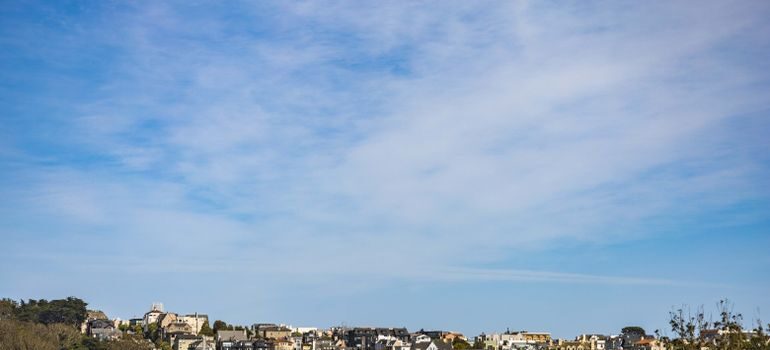
Serramonte combines residential development with a major regional shopping center. Experienced movers in Daly City know which neighborhoods need extra access planning. Westlake’s wider streets accommodate full-size moving trucks, while older Bayshore blocks sometimes require smaller vehicles or longer carries.
The BART Connection Many Movers Keep
Daly City has a major BART station serving the Yellow, Blue, and Green lines. The ride from Daly City Station to Embarcadero in downtown San Francisco takes about 20 minutes. The station was the original southern terminus of BART when service began in 1972. It remains a major commuter hub today.
The BART connection makes Daly City popular for SF workers seeking lower housing costs. The daily commute stays intact. Many residents keep the same commute pattern they had before. The evenings at home just run longer with the lower-cost housing.
What Daly City Homes Can Actually Hold
Daly City’s housing stock skews heavily toward single-family homes built in the post-WWII era. Two- and three-bedroom layouts dominate the inventory. The average Daly City home offers significantly more square footage than a comparable SF apartment at the same price point. Garages, basements, and small yards come standard in most neighborhoods.
The extra space changes which items make the trip from a typical SF apartment. Some belongings that worked in a city studio look undersized in a Daly City living room. Old furniture sized for tight SF apartments often makes more sense to replace at the destination than to bring along. Junk hauling clears these items from the SF home before move day. A lighter load also produces a faster move and a cleaner Daly City setup at the new address.
The 10-Mile Route Works as a Local Move
A move from San Francisco to Daly City stays well within standard residential moving operations. The truck loads in the morning, drives south on Highway 280 or 1, and unloads in the afternoon. Most of these moves finish before sundown, even with packing time included.
The Bay Area local movers treat this as a typical single-day local move. The crew that starts in San Francisco completes the day in Daly City without handoffs or rehandling between teams.
Cost Comparison: Daly City Saves on Some Things
Daly City overall costs about 26% less than San Francisco, with housing running roughly 42% lower. Daly City’s median home value sits around $1.05 to $1.13 million, compared to San Francisco’s $1.4 to $1.7 million range. Median rent runs $2,477 for a one-bedroom and $3,348 for a two-bedroom, both below SF averages.
Grocery prices in Daly City run 16% to 22% above the national average. A loaf of bread averages $4.65 versus the US average of $3.37. A half-gallon of milk costs $2.93, against the US average of $2.03. Sales tax sits at 9.875%, higher than San Francisco’s 8.625% by 1.25 percentage points. The savings come from housing rather than from everyday goods, which run closer to SF prices.
California DMV Updates Within 10 Days of Moving
Drivers moving within California need to update their license address within 10 days of the move. The California DMV change of address service handles this online without an office visit for most drivers. The same service also updates vehicle registration address records.
When Closing Dates and Lease Ends Don’t Match
A common pattern involves the SF rental lease ending before the Daly City closing finalizes. The household belongings need to wait. The gap between move-out and move-in can run from a few days to several weeks. The belongings need somewhere to wait. Some Daly City properties also need renovation work before move-in.
Storage in Hayward CA covers these timing gaps with both short-term and long-term capacity. Hayward sits about 25 miles south of Daly City via Highway 880 and 92. Truck access for eventual delivery to Daly City stays straightforward from the storage facility.

Transfer Utilities Before Arrival
One of the easiest ways to simplify a move to Daly City is to have utilities ready before the truck arrives. Electricity, gas, water, and internet service should all be scheduled to begin before move-in day whenever possible. Waiting until after arrival can leave the household without basic services during the first few days.
Internet setup deserves particular attention for households that work remotely. Installation appointments may not always be available immediately, especially during busy moving seasons. Scheduling service several weeks ahead helps avoid delays that could interrupt work or online schooling.
It is also worth updating mailing addresses, subscription services, insurance policies, and financial accounts before the move. Filing a mail forwarding request with the postal service reduces the chance of missing important documents while addresses are being updated individually.
A final walkthrough before leaving the San Francisco property should include checking every closet, cabinet, garage shelf, and storage area. Small items such as chargers, spare keys, and garage door openers are among the belongings most commonly left behind during short-distance moves. Spending a few extra minutes checking each room helps make the transition to Daly City much smoother.
Moving from San Francisco to Daly City with the Right Preparation
Moving from San Francisco to Daly City is one of the easier moves in the Bay Area on paper. The distance is 10 miles. The cost savings are real. The lifestyle adjustment is moderate. With the right SF-side permit planning and fog-ready packing for the Daly City unload, the move finishes in one day. The schedule needs to account for morning visibility. The new chapter starts with everything in its place and minimal lost time.
Frequently Asked Questions
How far is Daly City from San Francisco and how long does the drive take?
The drive covers about 10 miles depending on the SF starting neighborhood. Highway 280 handles most central SF traffic. Highway 1 connects the western SF neighborhoods through Pacifica. Off-peak drive time runs 15 to 30 minutes. Peak hours can stretch the trip closer to 45 minutes.
Does moving from SF to Daly City require an SFMTA parking permit?
It depends on the SF origin neighborhood. Mission District, SoMa, and Pacific Heights addresses almost always need a permit. Outer Sunset, Outer Richmond, and Excelsior addresses often work without one. The permit costs $150 to $300 and requires 5 business days of processing time.
How much cheaper is Daly City than San Francisco?
Daly City overall runs about 26% less expensive than San Francisco. Housing costs roughly 42% lower. Median home prices sit at $1.05 to $1.13 million versus SF's $1.4 to $1.7 million. The savings show up most in housing and least in everyday goods, where prices stay closer to SF rates.
What does BART service from Daly City look like?
Daly City Station serves the Yellow, Blue, and Green BART lines. The ride to Embarcadero in downtown San Francisco takes about 20 minutes. The station opened as the original southern BART terminus in 1972. It remains one of the busiest commuter hubs on the system.
Which schools serve Daly City residents?
Daly City students attend schools across two main public districts. Jefferson Elementary School District serves K-8. Jefferson Union High School District serves grades 9-12 with Westmoor High School, Jefferson High School, and Thornton High School. Several private and charter options also operate within the city.
Joy Patzner


David and his crew were wonderful. Very nice and VERY fast!!!

locations we serve
Alameda County

San Francisco County
Contra Costa County
San Mateo County