Moving from San Francisco to Fremont: A Complete Comparison Guide



Commercial Moving
Residential Moving
Get Your Free Estimate
"*" indicates required fields






Moving from San Francisco to Fremont is one of the most popular Bay Area relocations, driven by tech families and school-focused parents. The two cities sit 42 miles apart along Interstate 880. Housing prices stay surprisingly close between them, but the same dollars buy detached family homes with yards in Fremont. Sales tax and daily temperatures run higher. School districts work very differently, and the BART Green Line keeps the SF commute manageable. The trade-offs shift across every category, from housing stock to climate to community character.
Moving from San Francisco to Fremont has become one of the most popular Bay Area relocations. Tech families and school-focused parents drive most of that demand. The two cities sit 42 miles apart along Interstate 880. That short physical distance masks how much daily life actually shifts across the drive south. Housing stock, cost of living, and school systems all look different in Fremont. Commute options, climate, and community character also shift meaningfully. Some SF residents make the move for larger family homes at similar prices. Others move for California’s top-ranked public schools. Tech workers often relocate to shorten the commute to Tesla, Meta Reality Labs, and other South Bay employers. Neostart handles this corridor throughout the year for households of every size. This guide compares the two cities across every category that matters for the decision.
Housing Market: Prices and Stock
Housing is the strongest reason SF residents consider Fremont. The comparison surprises most people who assume Fremont is much cheaper.
Median Home Prices Compared
San Francisco’s median home price sits between $1.4 million and $1.7 million as of 2026. Fremont’s median runs $1.4 million to $1.5 million during the same period. The gap is smaller than most people expect. What changes dramatically is what those dollars actually buy in each city.
Housing Stock Character
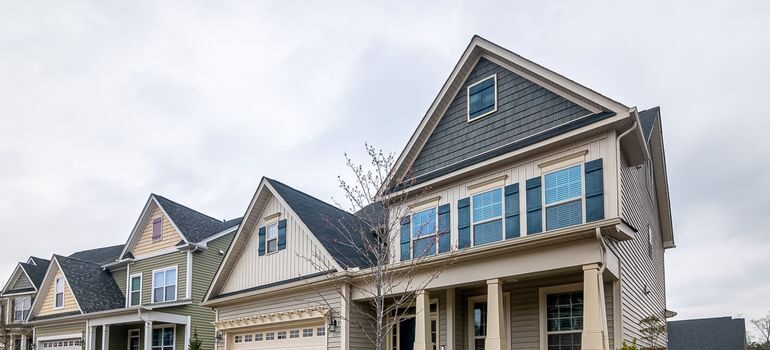
SF at that price point delivers a one-bedroom condo or a two-bedroom Victorian flat. Smaller older homes in outer neighborhoods also fall in that range. Fremont at the same price delivers a three-bedroom or four-bedroom single-family home with a yard and often a two-car garage. Detached homes dominate Fremont’s housing stock. Townhomes and condos make up a smaller share.
Neighborhoods and Trade-offs
Mission San Jose in Fremont carries premium prices due to school demand. Warm Springs offers newer construction near Tesla and the BART terminus. Ardenwood and Fremont’s northern neighborhoods sit closer to Bay Area workplaces. Moving companies San Francisco file loading permits in SF while destination logistics remain simpler for Fremont’s suburban driveways. Fremont Boulevard, Mission Boulevard, and Warm Springs Boulevard form the three main commercial corridors. Housing within a mile of these corridors carries a slight price premium for convenience.
Cost of Living Beyond Housing
Housing dominates the cost-of-living picture, but the smaller categories also shift. The differences are worth understanding before signing a lease or purchase agreement.
Sales Tax and Local Rates
San Francisco actually carries the lowest combined sales tax of any major Bay Area city at 8.625%. Fremont’s combined rate runs 10.25%, meaningfully higher. For a household spending $2,000 per month on taxable goods, the shift adds roughly $390 per year. That figure only reflects the tax difference on regular purchases. Property tax rates run around 1.1% to 1.2% in both cities. Higher Fremont home values often produce higher annual bills despite the similar rate.
Groceries and Daily Costs
Grocery prices in Fremont run close to SF prices since both cities draw from the same regional supply chains. Restaurant meals often cost 10% to 15% less in Fremont than in comparable SF neighborhoods. Gas prices track within a few cents of each other across both cities.
Overall Cost of Living Index
San Francisco’s cost of living runs about 64% above the national average. Fremont sits closer to 55% above the national average. The 9-point gap comes from a mix of housing, restaurants, and services. Median household income in Fremont is $155,000, higher than SF’s median, which sits above $134,000. The higher Fremont income reflects the tech-heavy dual-income households common in the city.

Schools Across the Two Cities
School quality is the single most common reason families cite for moving from San Francisco to Fremont. The two systems work very differently and produce very different outcomes.
District Structures Compared
San Francisco Unified School District serves all SF public school students through a citywide assignment lottery. Fremont splits students across multiple districts. Fremont Unified School District covers the city’s traditional public schools. Charter and private options operate alongside the public system.
Standout Schools Including Mission San Jose
Mission San Jose High School in Fremont ranks among the top 10 public high schools in California annually. Irvington High School, American High School, and Kennedy High School all rank in the state’s top 20%. Fremont sends more students to UC Berkeley and Stanford annually than any city its size outside Palo Alto.
Enrollment Systems Differences
The biggest structural difference is how students get assigned to schools. SFUSD uses a citywide lottery system that can send students far from their neighborhood. Fremont uses neighborhood-based assignments tied to home address. That predictability drives significant family migration south. Public school performance data is available at the state level. Families often filter by district and address before committing to any specific Fremont neighborhood. Every high school in Fremont holds strong college placement statistics compared to state averages.
Commute Options and the 42-Mile Route
Commute compatibility drives the practical viability of the move for SF workers. Fremont offers two BART stations and two major highway options.
BART Green Line Service
Fremont has two BART stations: Fremont station at the northern edge and Warm Springs/South Fremont station at the southern edge. Both serve the Green Line. Commutes from Fremont station to Embarcadero in downtown SF take about 50 minutes off-peak. The Warm Springs station is a few minutes further. AC Transit connects both stations to areas of the city outside walking distance.
Highway 880 and 84
Interstate 880 runs the full length of Fremont’s western side. It provides direct freeway access to Oakland, the Bay Bridge, and downtown SF. Highway 84 and the Dumbarton Bridge connect Fremont to the Peninsula and Palo Alto. Interstate 680 runs through eastern Fremont for Silicon Valley South Bay access.
Drive Time and Traffic Patterns
Off-peak driving from Fremont to downtown SF takes about 45 minutes. Peak-hour commutes routinely stretch to 90 minutes northbound on I-880 in the morning. Southbound evening traffic runs slightly better. Bay Area local movers schedule mid-morning weekend crossings on this corridor to avoid the worst congestion. Saturday mornings between 9 and 11 typically deliver the smoothest traffic. Sunday midday sees light traffic but slightly less reliable weather for outdoor loading.
Climate, Weather, and Air Quality
Climate patterns differ noticeably between the coast and inland South Bay. The differences affect daily life beyond just the move day.
Temperature Differences
San Francisco’s coastal climate averages 65 to 70 degrees Fahrenheit in summer. Fremont regularly sees summer temperatures of 80 to 90 degrees Fahrenheit, with several days each year above 100. Winters run 10 to 15 degrees warmer in Fremont than in SF. Fremont sits in a warmer, drier microclimate than the coast delivers.
Fog and Sunshine
SF sits under the coastal marine layer most summer mornings, especially in the western neighborhoods. Fremont receives significantly more sun year-round. Annual rainfall runs slightly lower in Fremont at 18 inches compared to SF’s 22 to 24 inches. Fremont averages more clear days between winter storms than SF sees.
Wildfire Smoke and Air Quality
Air quality follows different patterns in each city. SF’s ocean breeze often clears wildfire smoke faster during California fire season. Fremont sits inland and can trap smoke against the surrounding hills for days at a time. During peak smoke events, families sometimes hold sensitive belongings in storage in Hayward CA. Climate-controlled options protect wood furniture, electronics, and paper records during periods when the new address has compromised air quality.
Community Character and Demographics
The daily-life feel of each city differs meaningfully. Understanding those differences before moving from San Francisco to Fremont helps families set realistic expectations for the transition.
Population and Density
San Francisco has roughly 810,000 residents packed into 47 square miles. Fremont has about 230,000 residents across 92 square miles. The density difference produces obvious effects. Less street noise. More parking. Larger stores. Quieter evenings. Suburban patterns replace urban patterns across every aspect of daily life.
Cultural Diversity and Community Life
Fremont’s population is roughly 60% Asian, one of the highest percentages of any US city. The Indian-American, Chinese-American, and Filipino-American communities all have deep roots in specific neighborhoods. Mission San Jose specifically has become a cultural center for Indian-American families. Restaurants, temples, cultural centers, and grocery stores reflect these communities across the city.
Tech Employer Presence
Tesla’s main Fremont factory sits within city limits and employs roughly 10,000 workers. Meta Reality Labs, Lam Research, and Seagate all have major Fremont facilities. The tech employment density makes Fremont one of the shorter commutes for South Bay workers. Many previously drove from SF or Peninsula cities. Movers Fremont CA handle the steady flow of tech-family relocations from SF, Palo Alto, and neighboring communities year-round. Peak demand tracks the school calendar closely. Summer transitions and fall corporate relocations generate the busiest windows on the corridor.

The 42-Mile Move Itself
The physical move follows the same route commuters use daily. The logistics require specific planning at both ends.
Loading in San Francisco
Loading in San Francisco is usually the harder part of the day. Streets are narrow, curb space is limited, and many neighborhoods require SFMTA temporary sign permits. These permits cost $150 to $300 and require 5 business days of processing time. Bay Area residential movers file these permits during the move planning phase to secure legal parking on move day.
The 42-Mile Drive Down I-880
The drive from SF to Fremont covers the Bay Bridge, Interstate 80, and Interstate 880. Off-peak, the trip takes about 45 minutes. Peak commute hours can stretch the same trip past 90 minutes. Bay Bridge tolls apply on the westbound return trip only. Passenger vehicles pay $7 to $8, and multi-axle moving trucks pay based on their configuration.
Unloading and Space Reassessment
Fremont homes typically offer significantly more square footage than comparable SF units. Compact SF furniture often looks lost in larger Fremont family rooms. Furniture movers Bay Area flag during the estimate which pieces will fit the new home properly. A three-bedroom SF-to-Fremont residential move typically runs $2,000 to $4,500.
Access complexity and total volume drive the variance more than the 42 miles themselves. Movers Union City CA working the same southern Alameda County corridor coordinate similar logistics for households considering the neighboring city. Both cities share access to the same freeway system and BART Green Line service.
Weighing the Trade-Offs
Moving from San Francisco to Fremont trades urban density for suburban space and California’s top-ranked schools. Housing costs stay close to SF prices, but the same dollars buy detached family homes with yards. Sales tax and daily temperatures both run higher. Culture, community, and diversity remain strong across both cities. The BART Green Line and Interstate 880 keep the commute back to SF manageable for hybrid workers. Fremont makes sense for SF families ready for space, school predictability, and tech-employer proximity. Urban dwellers who love density may find the transition too dramatic. Retirees find both cities workable depending on care needs and family location. The comparison ultimately shows what gets gained and what gets left behind across every category.
Frequently Asked Questions
How far is Fremont from San Francisco and how long is the commute?
Fremont sits 42 miles south of San Francisco along Interstate 880. Off-peak driving takes about 45 minutes each way. Peak commute hours can stretch the same trip past 90 minutes. BART Green Line service from Fremont station reaches Embarcadero in downtown SF in roughly 50 minutes off-peak. Hybrid workers with two or three days per week in the city usually find the commute manageable.
Is Fremont really much cheaper than San Francisco?
Housing prices are closer than most people expect. Fremont's median home price sits around $1.4 to $1.5 million as of 2026. SF runs $1.4 to $1.7 million. The difference is what those dollars buy. Fremont delivers detached three-bedroom or four-bedroom homes with yards. SF at similar prices delivers condos or small older homes.
Why do so many families move from San Francisco to Fremont for schools?
Fremont's school districts use neighborhood-based assignments tied to home address. San Francisco Unified uses a citywide lottery that can send students far from their neighborhood. Mission San Jose High School ranks in California's top 10 public high schools annually. Irvington, American, and Kennedy High Schools all rank in the state's top 20%.
How does the climate in Fremont compare to San Francisco?
Fremont sits inland and runs significantly warmer than San Francisco year-round. Summer temperatures average 80 to 90 degrees Fahrenheit with several days above 100. SF averages 65 to 70 degrees in summer. Winter temperatures run 10 to 15 degrees warmer in Fremont. Fremont receives more sunshine and slightly less rain than the coast.
Joy Patzner


David and his crew were wonderful. Very nice and VERY fast!!!

locations we serve
Alameda County

San Francisco County
Contra Costa County
San Mateo County