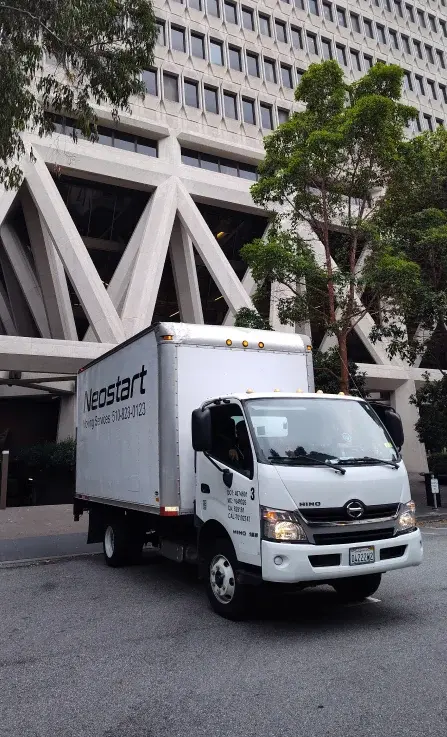
Moving With Pets in the Bay Area



Commercial Moving
Residential Moving
Get Your Free Estimate
"*" indicates required fields






Planning for moving with pets in the Bay Area includes checking rental restrictions, gathering vaccination records, and confirming local licensing requirements. During loading and unloading, keep pets in a closed room away from the crew’s route, then prepare a quiet room with familiar bedding, food, and water at the new home.
Successful moving with pets starts with keeping your dog or cat away from open doors, unfamiliar people, and furniture being carried through the house. Our crews work with pet owners across the Bay every week, and the pattern we see is consistent. The move itself is rarely what goes wrong. The trouble comes from what was left to the last minute, like an unread pet clause in a lease, an expired rabies certificate, or a cat that slipped out while the couch was coming through the front door. When planning your Bay Area move with Neostart, let us know where your pet will stay during loading and unloading so we can coordinate room access and leave their designated space undisturbed.
Moving With Pets: Plan Before the Boxes Come Out
In our experience, the most successful moves belong to owners who start pet planning four to six weeks out. Use these planning targets to keep those decisions ahead of moving day.
| When | Pet task |
|---|---|
| 6 weeks before | Read the new lease’s pet policy and get approval, breed or weight limits and fees confirmed in writing |
| 4–6 weeks before | Book a vet visit; request copies of vaccination records, rabies certificate and medical history |
| 3–4 weeks before | Look up the new city’s dog license rules and deadlines; ask the vet for medication refills to cover the transition |
| 2 weeks before | Order a new ID tag with your cell number; confirm your microchip number and registry login |
| 1 week before | Pack an essentials bag: food, bowls, meds, leash, litter, favorite blanket; get the carrier or crate out |
| Moving day | Keep pets in a closed, signed room or with a trusted friend until the truck is loaded |
| Within 30 days after | Apply for the local license (many cities set a deadline like this, so check yours), update the microchip registry and register with a new vet |
Remember, the essentials bag travels with you, not on the truck. If you’d rather not juggle everything yourself, book our packing services in Bay Area and our team will wrap the rest of the house while you keep your pet’s routine intact.
How Do You Keep a Dog Calm During a Move?
Keep the routine steady, burn off energy before the chaos starts, and give the dog a quiet space away from the work. Dogs don’t understand a move. They react to noise, strangers and changes in your mood.

On moving day, the setup that works best looks like this:
- Give the dog a long walk or play session early, before our furniture movers in Bay Area arrive.
- Put the dog in a closed room with water, a chew and a sign on the door that says a pet is inside.
- If the dog is very anxious, arrange a friend or a day of daycare so the house is empty of stress.
- Keep the crate or bed in the same spot until the very end, then load it last.
Moving With Cats in an Apartment Building
Cats are the escape artists of any move, and apartment buildings add elevators, shared hallways and propped-open doors. The golden rule of moving with pets in a building like that is to treat every door as an exit until the cat is secured.
Put your cat in a hard-sided carrier inside a closed bathroom before the crew arrives. Don’t forget to put water, a litter box and a sign on the door. Keep the carrier closed until the doors of the new home are shut behind you. In buildings with a loading dock or a reserved elevator, coordinate timing with property management so a carrier never sits in a hallway while the elevator is in constant use.
We learned one lesson the hard way in a San Francisco walk-up. A cat that had been left loose in the bedroom climbed inside the box spring and wasn’t found until the bed was already on the truck. Since then, our crews do a quick pet check before loading begins. We always ask customers to tell us exactly where the animal is. For shorter hops across town, where the cat can ride in the car with you, our Bay Area local movers can schedule the load-out around your arrival so the new apartment is ready before the carrier comes through the door.

What Do Bay Area Landlords Charge for Pets?
Pet costs are one of the biggest unknowns for people moving into Bay Area rentals. Landlords usually charge in one or more of three ways:
- a refundable pet deposit, often $300 to $500
- a one-time non-refundable pet fee
- monthly pet rent, commonly $25 to $75 per animal
Many buildings cap the number of pets, usually at two, and some set weight or breed limits that rule out larger dogs. These are typical ranges, not rules, so check the specific lease.
Two points are worth knowing. California now caps total security deposits at one month’s rent for most landlords, and a pet deposit generally counts toward that limit, so ask how the landlord is structuring it. Assistance animals are also treated differently from pets under fair housing rules, which means landlords generally can’t charge pet rent or fees for them. If that applies to you, get the details from the landlord in writing.
When you hire Bay Area residential movers for a pet-friendly move, the advice is simple: get pet approval in writing before you sign, and build the monthly pet rent into the real cost of the apartment. One couple we moved from Oakland to Sunnyvale found a two-bedroom that looked $150 a month cheaper, until pet rent for two dogs and a deposit closed most of that gap. It was still the right place for them, but they chose it with the real number in front of them.
Licensing and Vet Records in a New City
Licensing depends on where you land, and the Bay Area is a patchwork of city and county agencies. Dogs in California need a current rabies vaccination, and most cities and counties require a dog license tied to that vaccination. Fees and deadlines differ, and some places license cats too, so check your new city’s animal services page before moving day rather than after. Customers who move between counties, such as Alameda to Santa Clara, are often surprised that their old tag means nothing to the new agency.

Gather these records before you leave:
- Vaccination history and the rabies certificate
- Microchip number and registry login
- Spay or neuter proof, which can lower license fees
- A current medication list and enough refills to cover the gap
Ask your old vet to email copies so you aren’t chasing them after the move. Once you’re settled, update the microchip registry with your new address and phone number. A chip linked to an old phone number can’t reunite you with a lost pet, and the first weeks in a new neighborhood are when pets are most likely to wander.
Settling Pets Into the New Home
The first 48 hours set the tone when moving with pets. Unload pet essentials first: a stressed animal settles faster when its bed, bowls and litter box show up in a quiet room. Set up one safe room with familiar items before furniture goes anywhere else, and let your pet explore the rest of the home at its own pace with doors closed.
Keep feeding and walk times the same as before the move. Walk dogs on leash around the new neighborhood so they learn the smells before any off-leash time. Keep cats indoors for the first few weeks and leave a couple of hiding spots open, such as a box with a blanket or a space under a bed. Before letting anyone roam, check fence gaps, balcony railings and window screens, which are common weak points in Bay Area homes.
If you’re settling into Fremont for example, ask your movers in Fremont CA to unload the pet room first, so the safe room is ready before the rest of the house. Most pets start exploring within a day or two when given one familiar room first. If your pet is still hiding, refusing food or showing signs of distress after several days, call your vet.

A Calmer Move Starts With a Plan
Moving with pets doesn’t have to mean chaos. Start early, keep routines steady, get landlord approval and licensing sorted in writing, and give your animals one safe room at each end. If you want a crew that plans around your pets instead of around them, get in touch with Neostart. Tell us about your dog, cat or anything else that’s coming along when you book!
Frequently Asked Questions
Where should pets stay while movers load the truck?
Keep pets in a closed room with a sign on the door, away from the loading route. Tell the crew which room is off-limits and arrange for one person to supervise your pet. A trusted friend’s home is another option.
What should I pack in a moving-day pet bag?
Include food, water, bowls, medication, a leash, waste supplies, familiar bedding, and veterinary records. For cats, add litter and a litter tray. Keep this bag with you so supplies remain accessible during travel and unloading.
How do I move a cat through an apartment building?
Secure your cat in a carrier before opening the apartment door. Coordinate elevator access in advance and carry the cat directly to your vehicle. At the destination, keep the carrier closed until you are inside the designated room with the door shut.
Secure your cat in a carrier before opening the apartment door. Coordinate elevator access in advance and carry the cat directly to your vehicle. At the destination, keep the carrier closed until you are inside the designated room with the door shut.
Tell the crew how many pets you have, where they will stay, and who will handle them. Identify any room that must remain closed and explain when it will become available for loading. Agree on which pet-room items should be unloaded first.
What should I check in a Bay Area rental’s pet policy?
Check written approval requirements, animal limits, breed or weight restrictions, deposits, and monthly pet rent. Confirm the terms for every animal coming with you before signing the lease, and include recurring pet charges when comparing rental costs.
Joy Patzner


David and his crew were wonderful. Very nice and VERY fast!!!

locations we serve
Alameda County

San Francisco County
Contra Costa County
San Mateo County